Teenage Mutant Ninja Turtles fans got a double dose of adrenaline and collecting in this “Monday TMNT & Chill” stream. The episode first walks through some of The Last Ronin’s most survival-heavy moments, then pivots into practical collector talk—comic reprints, Mirage production details, and how the community Discord and VIP support the show.
The Last Ronin rooftop infiltration: security, mousers, and a blood-trail escape
The stream opens with Teenage Mutant Ninja Turtles: The Last Ronin action centered on Roman—“the last Ronin.” The sequence follows his escape and his plan to reach a central tower, including navigation through rooftops and an approach designed to avoid cameras and security.
As the infiltration tightens, Roman creates diversions and fights through escalating waves of threats: elite Foot soldiers, human-robot guards, and flying “mousers” equipped with lasers. The intensity builds into a retreat—Roman wounded, forced to withdraw—before the story pivots toward his continued movement into lower areas and ultimately the sewers. A blood trail leads the transition from the rooftop/tower sequence into the underground.
The segment also closes on a confrontation/arrival moment where April appears, and the group’s reaction underscores the impact of how Roman’s situation ended.
April’s prosthetics, war flashbacks, and robots invade the base
After the rooftop/tower beats, the narrative focus shifts to April O’Neil in the current time. She awakens with prosthetic arm and leg, immediately setting a tone of injury, survival, and adaptation.
Michelangelo’s role in the conversation brings the emotional weight of what came before, including a memory link involving earlier trauma connected to the Hamato/Ooku conflict and Raph’s death. The group debates what to do next, and April and Mikey connect through familiar, intimate details—old tea and kitchen history—before the broader plot surges.
An authority figure broadcasts martial law across the city, and the situation deteriorates quickly: security robots and robo-ninjas invade the base, forcing the resistance to move underground.
The stream also notes leadership pressure as threats continue. Casey Jones and Mikey work through mechanical dangers in the sewers and base, including mousers/robots and sudden explosions, while Stockman orders more units into the fight.
Casey and April regain control: EMP shutdown and Michelangelo vs Heroto
The action becomes more tactical as April and Casey push deeper into the compound. A key turning point is the use of an EMP to disable mouse-like enemies.
With immediate threats reduced, the team focuses on stopping the Foot’s control system. April and Casey move toward Honeyut’s computer, aiming to shut down the source of the mechanical invasion.
The stream also revisits background details tied to Casey and Michelangelo. Mikey trains Casey with intense sparring, watching her adapt quickly, while someone examines trace amounts of muten DNA connected to Casey’s family.
As the war escalates across the city and continues even after the immediate battle, the story work transitions into a survival-by-infrastructure push: Casey and April attempt to restore water pumps that feed the sewers where they live.
A major set piece then spotlights Michelangelo’s duel with Heroto. Mikey fights Heroto in a liquid-metal armored form, using explosives and attacks themed around other turtles’ styles to force the confrontation out toward the streets and back underground.
The segment ends with the cost of that fight, and with Mikey paying attention to what’s left behind. The stream frames this through Mikey’s last page in the journal and Casey receiving guidance that emphasizes family and continuity.
The Last Ronin epilogue: what comes next for the turtles
The host wraps the story with an epilogue revealing that Casey is raising her own turtle friends—an end note that signals the saga must continue beyond the immediate Ronin arc.
Then, the stream shifts away from narrative recap into creator/community promotion and collector content.
TMNT comic shop, Discord updates, and VIP support
Once the story segment concludes, the conversation turns toward the community side of TMNT collecting.
The host promotes Comic Story and encourages viewers to like, subscribe, and follow weekly Teenage Mutant Ninja Turtle stories. He also points viewers to TMNT.com for links to socials and a Discord community that includes weekly giveaways and exclusive discounts.
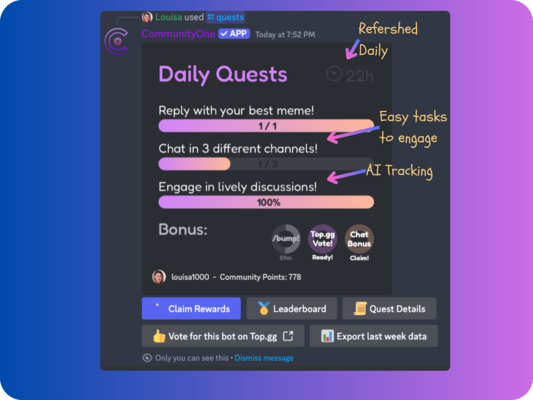
A major theme is how Discord VIP ties directly to operational costs. The stream explains that supporter funding helps pay for items like bots, server boosts, the website, and integrations—while keeping other revenue streams (like inventory sales and marketing) separate.
The VIP model is framed as the best way to support the show, with monthly or yearly pricing and organization that keeps VIP posts accessible to subscribers.
Collector deep dive: Mirage originals, reprint preservation, and community hangouts
The stream doesn’t just talk about collecting—it includes behind-the-scenes methods used to preserve original comic art and enable reprints.
One key practice described is creating full-size copies of originals using a high-quality copier. The stated reason: to preserve the finished artwork and avoid damage while maintaining an archive.
The team also discusses how, after a deal involving Fresh Comics, those copies were used for graphic novel format color reprints—keeping the original art protected while still enabling new presentation formats.
The host also emphasizes the tone of the community: a chill hangout for TMNT fans who may not be shopping. Viewers are invited simply to run turtle books, watch turtle-related content, and chat.
First Comics distribution missteps and TMNT creator anecdotes
The stream includes some retrospective questions about distribution. It covers First Comics Collections reaching bookstore retail, mentioning chains like Walden Books, and then asks what went wrong despite that bookstore market penetration.
There’s also a brief note about provenance and specific creator-related assignments. The hosts mention that issues #1 and #2 were each assigned to different creators, with Kevin taking one full book.
Mirage-era production notes: paper costs, original sizes, and letteredge consistency
A large collector-focused portion of the stream centers on how Mirage-era TMNT comics were physically produced.
They discuss the cost of art paper in early production, including estimates referenced in the conversation (about $8 in the 2000s, and roughly $20–$25 per sheet in the early 80s). The creators also explain that money for expensive paper was difficult to raise, but they managed output by producing about three pages per sheet.
There’s also discussion of matching art across contributors, including the idea that blended penciling styles can help the turtles look consistent from page to page.
Lettering tools and early TMNT book dimensions: ink bleed and bag-fit problems
The stream gets especially specific about lettering. Hosts compare visible differences in lettering line work—fine liner versus brush-like strokes—and how ink/bleed shows at letter edges.
They also discuss early TMNT book dimensions and how the unusual size came about. According to the conversation, the dimensions were chosen by mistake after finding a local print format similar to a TV guide. The size issue was reportedly not noticed until sales when buyers complained the books didn’t fit regular comic bags.
The discussion concludes that this unusual size can make the issues more collectible while also making mint preservation harder for collectors due to bag compatibility.
Conclusion
This “Monday TMNT & Chill” recap is a strong one-stop mix for fans who want both story and craft. You get the survival-heavy arc of The Last Ronin—from rooftop infiltration to sewers and an epilogue about Casey’s future—plus a practical collector look at Mirage-era originals, TMNT comic reprint preservation, lettering line effects, and the behind-the-scenes realities of early production and dimensions.
If you’re into Teenage Mutant Ninja Turtles for the narrative and the details of how the comics are made and collected, this stream connects both sides in one place.