Saturday morning “TMNT & Chill” isn’t just a livestream—it’s a mix of community hangout, collecting discussion, and franchise history. In this recap, the hosts walk through how they run their Discord experience, what they’ve learned from collecting TMNT comics, and why the business side of the franchise shaped what fans can find today.
TMNT & Chill setup: Discord bot, stages, and giveaways
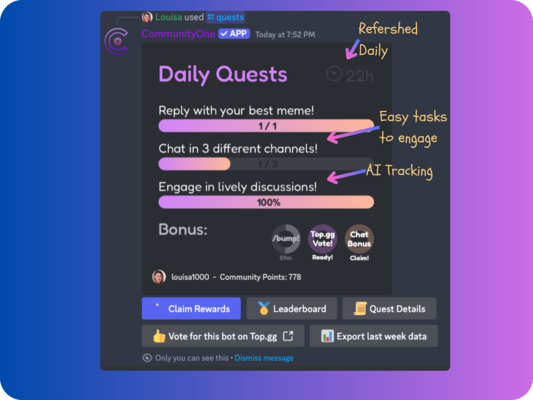
The episode begins with the practical setup of the “TMNT & Chill” stream experience. The hosts describe using a “TMNT & Chill Discord bot” to support server activity and giveaways, including how they experimented with AI character roleplay settings and adjusted the automation so it stays non-disruptive.
They also discuss how voice controls work on Discord by separating a “stage” from audience voice. The goal is to keep the stream organized while still allowing the community to participate.
On the collectors side, they explain a “Collector Showcase” spotlight rule in their Discord updates flow. The rule triggers only after posts meet a set emoji threshold, and it doesn’t look back at older posts—so collectors know what will be spotlighted going forward.
Comic collecting talk: value, rarity, and Scott Snyder questions
Midstream, the conversation turns to comics collecting, including curiosity about magazines/graphic novels connected to writer Scott Snyder. The hosts focus on how collectors think about value and rarity—especially when items may be harder to find or only appear in smaller pockets of the market.
The show also connects collecting to how they run the stream across platforms, including how their pacing and presentation tie into their weekly schedule.
Kevin Eastman and early TMNT milestones (plus a Whatnot show setup)
The episode includes a creator-focused segment built around Kevin Eastman’s early TMNT story and behind-the-scenes details.
A key milestone discussed: in 1985, the TMNT team solicited for the second issue with an initial run of about 3,000 copies—presented in the conversation as a major breakthrough for the franchise.
The hosts also share a non-comic personal story from Kevin Eastman: he described buying an operational military tank for about $35,000, noting it was used in the movie “Red Dawn” and has Cadillac engines. The conversation uses this as an example of the kind of real-world, practical details that often accompany creator history.
From there, the stream pivots back to the collecting format. The hosts explain how they run a “chill” Whatnot show, including how TMNT items are organized in Whatnot’s auction tab, while other items appear under “buy now.” They also describe pacing on air: items run one at a time, and their broadcasts follow a schedule that includes days like Mondays/Tuesdays/Saturdays, with cutoffs around 2 Eastern.
Creator ownership vs. publishing politics: why “success” can be paperwork
A recurring theme in the episode is creator ownership and how business success changes what creators are able to do.
The hosts talk through the appeal of creator-owned publishing and how it contrasts with more restrictive ecosystems. They also reference interactions with creators and the comic culture around them, including conventions and signings.
The more serious part of this discussion arrives when they connect creative work to downstream responsibilities. They describe how early licensing didn’t always feel overwhelming, but as TMNT licensing expanded, Mirage staff spent more time dealing with lawyers and accountants. The hosts characterize this as a kind of “melancholy of success”: money and achievement paired with reduced time and energy for drawing and writing.
They also describe how licensing complexity can require reviewing packaging art, signing large numbers of items at events, and handling disputes or false claims related to the property.
Mirage comics, licensing expansion, and the shift in control
The hosts place these pressures in a clearer timeline.
They explain that Mirage later experienced publishing slowdowns and “gaps” in its output history, while also noting cross-publisher ventures and promotional-only materials created to pitch ideas to companies.
A major turning point comes with ownership changes. The episode discusses that in 2008, Peter Laird bought all turtles and Kevin Eastman’s income participation changed, making Peter Laird the sole owner. The hosts connect this ownership shift to reduced legal burden for the creators.
4Kids, Fox Box, and how the animated era evolved
The franchise timeline section follows licensing from the comic world into TV and toys.
The hosts recap how the Fox Kids block ended in 2002 and was replaced by “Fox Box” under 4Kids Entertainment, which began developing its own TMNT cartoon approach.
They explain that 4Kids was interested in adapting the original Mirage comics more faithfully, with Peter Laird exercising greater rights control and oversight of scripts, designs, and concepts.
In addition to the cartoon development, the episode discusses merchandising momentum during the early 2000s, including Playmates action figures showing up in retail and expansion efforts.
The 2007 movie, seasons, budget tradeoffs, and later TV changes
The episode also addresses the 2007 TMNT animated film and later franchise adjustments.
The hosts describe the movie as a box-office success but with mixed critical reviews. They also mention production choices such as lighting the movie “like a black and white film,” and they reference sequel ideas that didn’t ultimately happen.
For the cartoon itself, the conversation covers changes across seasons, including experimenting with backgrounds and simplified lighting due to budget cuts, plus an episode removed due to standards/practices concerns.
They also discuss broader network/production shifts, including the CW exiting the Kids Saturday morning lineup, affecting Saturday blocks and scheduling.
What changed in comics later: print availability and Tales of the TMNT miniseries
Collector-focused discussion closes in part with late Mirage publishing and what becomes difficult to find.
The hosts mention that a “Tales of the TMNT” companion miniseries was produced late in Mirage’s run, positioned as a companion to “Volume 4 Tales Volume Two.” They describe the “one for each turtle” structure and outline the four issues/titles associated with Raphael, Leonardo, Donatello, and Michelangelo.
They emphasize that these were printed late (around 2009ish) with low print runs, which contributes to why they can be harder to locate today.
Finally, the episode touches on a pricing discussion: collectors priced the individual “number one” issues higher based on availability and condition, with the hosts discussing totaling all four for $450 for the number ones.
Comic history in context: games, ownership, and collector tooling
To round out the collector lens, the hosts connect the TMNT comic/toy ecosystem to other releases and to how ownership and licensing timing can shape what’s available.
They discuss Konami TMNT video games released in the mid-2000s and note that some titles later disappeared from stores once licensing expired. They also describe Mirage comic publishing changes around Volume Four returning in issue #29 as a digital release, with a limited physical option offered through Mirage.
As a final practical note, they describe how they think about logistics for events and collector workflows, including guidance around CGC grading drop-off/pickup timing and needing a CGC account and a packing list.
Conclusion
This “TMNT & Chill” episode ties together three threads that collectors often care about: how the community actually runs the show (Discord bot rules, stages, and giveaways), how franchise history shaped what got published and produced, and why licensing/legal burdens and ownership changes affected both creators and availability.
If you’re collecting TMNT comics—or tracking rare Mirage titles—this recap is a useful snapshot of the “why” behind the market: not just what’s rare, but how the franchise became global in the first place.