TMNT & Chill isn’t only a livestream—it’s a community hub built around TMNT collecting, comic deep-dives, and getting ready for Free Comic Book Day. In this episode, the hosts walk through event logistics and share what they’re planning to bring to fans, then switch into classic Mirage-era TMNT comic talk.
Below is a scannable recap of the episode’s most durable details: where to go, what to expect, and the key Mirage comic takeaways collectors keep coming back to.
TMNT & Chill: Free Comic Book Day roadmap and Jetpack Comics shows
The stream frames itself as “road to Free Comic Book Day,” with the focus on upcoming Turtle shows and on-location shopping experiences.
Key plans discussed include multi-platform livestreaming and a festival-like Free Comic Book Day experience:
- The hosts mention streaming across platforms (with plans to expand further) and encourage viewers to join their community channels.
- They highlight Free Comic Book Day road-to-event updates and upcoming Turtle shows at Jetpack Comics in New Hampshire.
- The episode specifically promotes a major Free Comic Book Day event on May 2 at Jetpack Comics (New Hampshire).
- They also mention the idea of a prelude session around the event timeline, including after-hours plans after the store closes.
A practical part of the plan is also covered: the host explains that they may need to front money for items and for in-person signatures so that viewers can shop with confidence during the live experience.
If you’re looking for the logistics behind a collector-focused stream—shopping time, signing time, and community interaction—this is where the episode concentrates first.
Mirage TMNT comics: Eastman and Laird, violence themes, and Shredder’s demise
After the event planning, the conversation turns to what many fans consider the defining voice of TMNT comics: the Mirage era, especially the early collaboration between creators.
Eastman and Laird collaboration
The hosts discuss the early Eastman-and-Laird creative process and note that some readers have strong opinions about how the writing shifted later on. They reference the idea that the success of the series wasn’t fully predicted, which frames why some elements that seemed like “one-off” stories didn’t necessarily remain one-offs.
TMNT violence in the early run
A standout theme is how early Mirage stories depict the Turtles as willing to kill—contrasted against later portrayals. The discussion centers on violence directed at Foot Clan soldiers.
Why Shredder dies in issue #1
The hosts also revisit Shredder’s death in the first Mirage issue, explaining that the creators initially did not expect the series to last long enough to extend that villain into a long-running arc.
For collectors, this matters because it changes what “origin” and “setup” can mean in Mirage continuity: early issues often feel like self-contained narratives that later franchise expectations rewired into something longer.
TMNT issue #2 recap: Baxter Stockman, April O’Neil, and the Mousers
The episode then goes into a detailed recap of TMNT’s early issue structure and character introductions, using issue #2 as a focal point.
Opening setup in the lair
The recap begins with the Turtles and Splinter, with Donatello tinkering and Raph and Mikey sparring—while Splinter watches a broadcast featuring Baxter Stockman.
Stockman’s Mousers demonstration
Baxter Stockman demonstrates the Mousers—rat-destroying machines—using April O’Neil as his assistant.
The hosts emphasize April’s portrayal as more STEM-minded in this comic context than how some viewers may remember her from the 1987 cartoon version.
April becomes suspicious and the plot escalates
April notices issues with the Mousers situation and escapes into the sewers. She’s almost caught, but the Turtles intervene and bring her back to the lair.
The ransom plot and major building consequences
A later broadcast reveals Stockman’s plan: he demands $1 billion from New York and will destroy buildings if the demand isn’t met. The episode specifically mentions the Rex Statler building as part of that fallout.
This issue is treated as pivotal: it establishes core cast roles while also going big on set-piece action and stakes.
Plot elements collectors track: Neutrons, the translocation matrix, and Casey Jones
Beyond issue-specific summaries, the episode highlights recurring TMNT comic “story engine” ideas that collectors tend to recognize across runs.
The hosts mention:
- Neutrons and a translocation matrix as major plot components.
- How the lair is disrupted (including discovering consequences tied to major story technology).
- The inclusion of Casey Jones as part of the broader narrative movement.
A related discussion also touches on action set pieces—specifically the creators’ desire to push toward larger-scale action in the comic format.
Collecting and downsizing: Mirage/IDW grails, graded copies, and Tails 4
The episode blends story talk with collecting strategy. The hosts discuss downsizing and refocusing their collection, centering on TMNT comics while moving away from other publishers because of limited reading time.
What they’re choosing to keep
The focus is primarily on TMNT comic material, including Mirage and IDW.
They also reference collecting mechanics that many readers relate to:
- choosing grail issues
- discussing graded copies
- mentioning platforms like eBay for pricing comparisons (in the context of what offers they’ve seen)
Grail mention
A specific grail item is referenced: “Tails 4.” The episode treats this as a standout collecting target within their broader TMNT focus.
Community + livestream logistics: Discord giveaways and shopping-first planning
A major part of the episode is the “how” behind the community experience.
Discord and giveaways
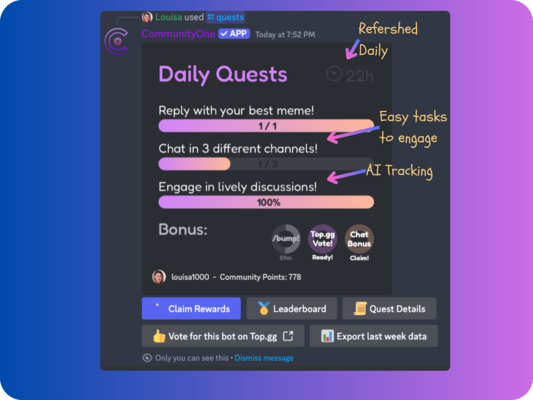
The hosts promote their Discord as a place to participate beyond watching the main stream. They mention free giveaways originating from the Discord, along with community interaction.
They also note that Discord members may get sneak peeks of inventory or details before items are listed publicly.
What the event is designed to do
The stated goal is to bring a store-and-festival experience to people who can’t attend in person—framed as “you basically get to experience the whole festival right from your phone.”
This section also reinforces that the stream isn’t restricted to “shopping”—viewers are encouraged to drop in, watch, and chat about what they’re watching.
Action figure and game chatter (plus online game frustrations)
While the episode’s main spine stays on comics and Free Comic Book Day, the hosts also add side topics that reflect the wider TMNT hobby circle.
Collectibles and merchandise categories
They mention TMNT collectibles beyond comics, including action figures and other items such as cards, mugs, and puzzles.
Cowabunga Collection online issues
The hosts discuss the Cowabunga Collection online experience and note problems with playing online with friends. The conversation frames it as unreliable and includes general skepticism about matchmaking/netcode behavior.
Arcade and light gun tech discussion
In the closing segments, the episode includes a brief but specific tech topic: a comparison of light gun behavior on CRT displays vs flat screens, based on firsthand experience (including a disclaimer that light guns may not work on flat TVs).
Conclusion: a collector-focused guide to Free Comic Book Day and Mirage TMNT stories
This TMNT & Chill episode ties together three things that matter for long-term fans: event planning (Free Comic Book Day at Jetpack Comics, including May 2), classic Mirage TMNT comic history (Eastman/Laird collaboration, Shredder’s early death, early violence themes), and practical collecting guidance (downsizing, grails, and graded copies).
If you’re following along for either comics history or the “road to Free Comic Book Day,” this episode offers a clear roadmap plus the specific story threads—Baxter Stockman, April O’Neil, Neutrons/translocation, and more—that collectors tend to use as reference points.