TMNT & Chill meets Mirage comics: community, rules, and creator rights
In this Saturday morning “TMNT & Chill” livestream recap, the hosts connect two worlds: running a chill, structured community on Discord—and the real business mechanics behind owning, publishing, and licensing TMNT comics.
The episode starts with how they set up their Discord stream (including a giveaway and moderation systems), then moves into Mirage Studios turtle-comic history: creator ownership, contract rights to keep publishing, and how licensing pressure affected the amount of time and control creators could spend on making comics.
Discord stream setup: giveaway spotlight rules (stage roles + emoji threshold)
A big part of the episode is operational: how to keep the stream smooth and “chill” without letting the chat get chaotic.
The hosts describe:
- Running a Saturday morning TMNT Discord stream with a giveaway prize that includes a slab.
- Using Discord stage/audience roles so the right people can speak and be heard during the broadcast.
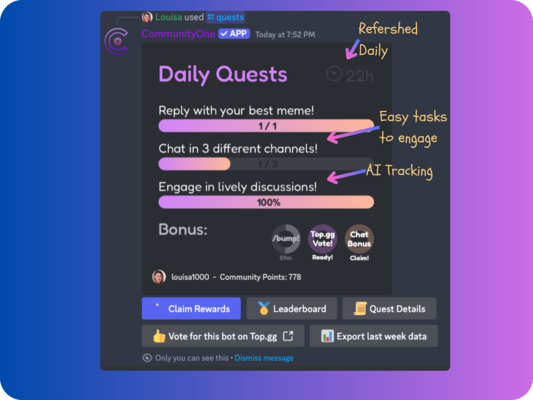
- Applying emoji-based rules to automate what gets spotlighted in updates. In the described test, the system spotlights items in the collection showcase once they reach a set number of emojis.
- Restricting where an automated feature (the bot) can talk so it doesn’t create unwanted chatter elsewhere in the server.
They also discuss community management principles such as avoiding “diluting” the server with too many channels/roles while still keeping viewers engaged.
Training a controlled AI Discord bot for TMNT-character behavior
Another technical segment focuses on building a controlled AI presence for TMNT fans.
The hosts talk about:
- Training a bot to behave like TMNT characters (including Donatello/Donnie-style and Raphael/Raph-style behavior).
- Keeping the AI bot contained by “trapping it” to a specific channel.
- Waiting until the bot is trained enough to act “like a decent bot” before letting it operate more broadly.
The key theme is control and containment—testing interaction without opening the door to random behavior that could disrupt the server.
Mirage TMNT comics collecting: what sells, and why
Once the stream shifts into comics and collectibles, the conversation becomes practical for collectors.
The hosts discuss mainstream comic collecting patterns and what drives purchases, including how certain issues (and sometimes authors/editors) remain relevant to collectors even years later.
They also connect those collecting habits to the TMNT universe’s broader appeal—especially the “Mirage-era” origin, where early momentum and timely editorial/art choices mattered.
Creator ownership and ongoing turtle comics: contract rights clause
The most durable behind-the-scenes topic is creator ownership.
In the episode, Peter Laird discusses a legal clause negotiated into a purchase agreement that allowed him to continue creating turtle comics without losing the right to do so. The episode frames this as a “no-brainer” decision in terms of what would have been required to preserve those rights.
The discussion also points toward possible future directions, including finishing an unfinished Jim Lawson-related “Volume Four” if that collaboration could work out, and considering collaboration with Kevin Eastman after years of other media and distance.
The takeaway: in addition to fandom, the ability to keep making and publishing depends on what rights were preserved—and what was negotiated early.
ZURiCH Foundation: structured support for self-publishers
The episode also introduces the ZURiCH Foundation as a mechanism created to support self-publishers in a way that avoids emotionally difficult or inappropriate interactions.
According to the discussion:
- The foundation was created after an incident highlighted the need for a structured “don’t talk to me, apply over here” approach.
- Applicants go through an application and evaluation process intended to separate serious efforts from casual attempts.
- The purpose is to create a clear, evaluable route for support.
This section ties back to the larger theme of rights and publishing realities: not every effort is the same, and support systems need filtering and process.
Licensing pressure and the “big holes” in publishing time
A major turning point in the episode is the impact of licensing expansion.
The hosts explain that early on, licensing for TMNT merchandise was manageable. Over time, when “real” licensing exploded, the creators described having to spend more time working with lawyers, accountants, and licensing producers instead of drawing and writing comics.
That shift produced tangible results:
- Financial stability came with publishing friction.
- The episode describes “big holes” in Mirage’s comics output—periods where comics were not being produced at the same pace.
- Success also increased operational demands, including signing lots of items and needing more delegation.
In short, the livestream frames licensing as a double-edged sword: it can expand visibility and revenue, but it can also restructure creators’ time and reduce direct creative output.
TMNT media timeline: Fox Kids/4Kids “Fox Box,” toys, and film development
After covering comics and rights, the episode broadens into a timeline of TMNT media—how cartoons, toys, and games evolved as licensing grew.
Fox Kids to 4Kids (Fox Box): adaptation decisions and creative control
The hosts discuss how TMNT programming moved into the 4Kids era under the “Fox Box” framing. The episode describes TMNT being pitched as a new, more faithful adaptation of the Mirage comics.
Editorial and creative control decisions are also covered, including an approval role for scripts/designs.
Toys and retail context: Playmates action figures around 2003
A merchandising section focuses on toy rollout timing, including Playmates action figures debuting in retail around January 2003.
The hosts connect this to broader retail conditions and the way toy and tie-in products grew alongside the show.
Film development direction
The episode also outlines early film development that eventually led to a Warner Bros. domestic distribution path, with Peter seeking creative control again.
2005–2008 shifts: comics profitability, cartoon changes, and network changes
The livestream doesn’t treat the franchise as linear growth; it includes setbacks and production adjustments.
The episode discusses:
- Comic profitability challenges, including low initial profitability and printing in the thousands while production costs can exceed revenue.
- How repeated demand and franchise management concerns can complicate schedules.
- Changes in later cartoon production from 2005 through 2008, including new characters and villain shifts and broader budget-driven visual simplifications.
It also describes a major broadcast/marketing transition: CW’s exit from Saturday morning kids programming and subsequent changes that affected the next programming block and created knock-on effects for toy/merch lines tied to film.
Games, licensing expiration, and later TV developments (including Cyber Shredder)
The episode covers games and TV developments as part of the TMNT media timeline.
On the games side, it describes Konami releases and follow-up TMNT gaming content, including the fact that the TMNT license expired in 2005, ending Konami’s run.
It also discusses later TV developments such as:
- Back to the Sewer running from September 2008 to February 2009.
- The introduction of Cyber Shredder.
- The CW for Kids deal launching in 2008.
- Mayhem for Mutant Island being described as the final new episode produced in that described period.
Collectibles and auctions: slab circulation and Whatnot protections
The episode includes a practical collectible and selling segment centered on Whatnot.
The hosts explain that:
- Their format involves running through items in an auction tab.
- The platform is used as the selling channel.
- Whatnot provides protection for both parties.
This segment fits into the overall “TMNT & Chill” theme: collecting and community aren’t separate from logistics.
Turtles Forever: the movie premiere tour context
Finally, the episode ties back into the franchise’s continued momentum through the Turtles Forever TV movie.
The hosts describe a “turtle bus” tour traveling across 10 cities with photo ops, video games, and martial arts demos, plus screenings and announcements.
They also note that Turtles Forever premiered in the United States at San Diego Comic, with adaptation of character designs/materials for an earlier setting.
Conclusion: what this livestream teaches about TMNT fandom and the business behind it
“TMNT & Chill” ultimately blends two kinds of knowledge.
First, it shows how to run a structured, low-drama community: stage roles, emoji-based spotlight automation, and controlled AI bot testing. Second, it connects that community energy to the harder side of creator work—Mirage creator rights, contract clauses that preserved publishing possibilities, and licensing pressure that reshaped how much time could go into comics.
If you’re collecting Mirage-era TMNT, tracking the media timeline, or building a Discord around the franchise, this episode offers both the practical community mechanics and the behind-the-scenes publishing reality that explains why the TMNT story looks the way it does.