Tripling Discord growth can happen quickly—especially during marketing pushes. But the video’s core lesson is that member count alone doesn’t equal community health. In many communities, new people join, but never start meaningful conversations, or leave when support isn’t immediately available.
This guide turns the video’s framework into an evergreen checklist: how to sustain growth by building “super fans,” creating daily return reasons, and using quest-style engagement that produces quality interaction.
Why tripled Discord growth can be wasteful without retention
The speaker describes an experiment where marketing can rapidly increase member counts. However, most rapid growth is inefficient if it doesn’t translate into sustained participation.
They highlight a common pattern: in web2/web3 environments, many “joins” don’t become real engagement. Some users leave quickly. Others may show up only when they need help, then disappear instead of building social momentum.
The video emphasizes that for larger Discord servers, it can still be normal to see only a fraction of members actively chatting each day. That’s why you need an engagement system—otherwise you’re just buying churn with marketing.
Measure engagement the right way: message-per-active-user
Before changing incentives or adding bots, the video recommends measuring engagement directly.
A key metric is message per active user. The speaker references a typical engagement pattern they observed: users averaging around ~20 messages per session (roughly ~40 minutes), with about one message every two minutes.
The point isn’t the exact numbers—it’s the method: track how active people actually behave, then improve the onboarding and engagement loop so more members start participating.
The two requirements for sustainable engagement
The speaker argues sustainable engagement depends on two things:
1) Build “super fans”
“Super fans” are members who consistently engage and help the community run even when the core team isn’t around.
In the video, super fans are described as people who:
- Try your product and talk about it often
- Provide honest feedback (including insights the internal team might miss)
- Answer member questions when you’re not around
- Help newcomers form peer connections
A healthy community is framed as strongly social in nature, and super fans support that social fabric.
2) Give members a daily reason to return
Even great onboarding won’t sustain engagement if users don’t have a clear reason to come back.
The video’s framing is direct: you need to “give people a reason that they should come back every day.” That reason should tie into what the community is trying to accomplish—not just activity for its own sake.
Sustainable engagement system: quests and gamification that teach
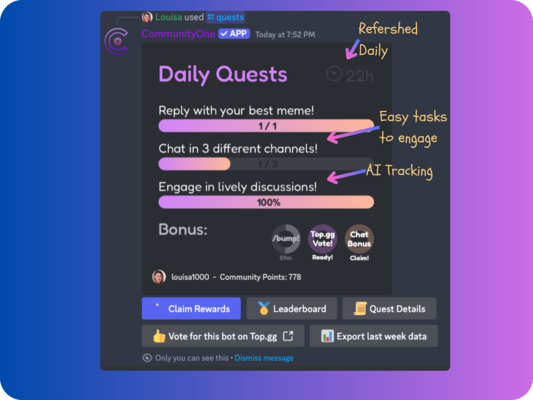
To turn retention into a system, the video recommends quest-style gamification.
Use small, easy tasks that guide newcomers
Quests should be designed to help people know what to do next. The speaker describes assigning tasks that are:
- Small
- Easy to complete
- Clear for newcomers (so they’re not guessing where to start)
The goal is to shift newcomers from “waiting” to “knowing the next action.”
Focus on quality interaction, not grinding
The video warns against incentives that reward effort without encouraging meaningful conversation.
They specifically caution against:
- Cash prizes or incentives that may cause participants to associate rewards with time/effort
- Incentives that encourage “chat the most” behaviors that can create busy but low-quality activity
Instead, quests should align with the community’s purpose and reward behavior that helps users participate in a valuable way.
Match rewards to the community’s goal
A recurring theme: rewards should be aligned. If users don’t understand why a reward matters, they won’t engage.
The speaker summarizes this idea in plain terms: if there is no reward that people care about, they won’t spend their time doing the activities you’re trying to promote.
Use product-aligned rewards and special roles to reduce friction
The video also recommends retention tools that connect directly to the platform and product.
Product-related rewards (example: Discord Nitro)
Rather than choosing random incentives, the speaker highlights rewards related to your product.
They give an example: awarding Discord Nitro as a way to encourage users to stay in Discord—since the reward itself is valuable within the environment where the engagement is happening.
Special roles and permissions to unlock participation
Another retention lever is server configuration.
The video describes using special roles/permissions so members can access participation mechanisms without unnecessary friction—for instance, enabling users to send links in a general channel once they reach the right point in the onboarding/quest flow.
The emphasis is on removing obstacles that prevent newcomers from taking meaningful actions.
What super fans do in practice
The video defines super fans by their behaviors—especially their reliability and consistency.
Super fans help by:
- Trying the product and talking about it
- Giving honest product feedback
- Answering community questions when founders/team are not around
- Supporting newcomers with peer connection
They also participate via a points-based system. The video references a quest-style leaderboard behavior where top users reached a points total (top player around ~1,400 points in the example they mentioned). The takeaway is that super fans are identifiable through consistent engagement, not just popularity.
How super fans drive organic Discord growth
The video explains that organic growth often starts when super fans try the feature due to an initial hook, then keep returning because the community feels welcoming and supportive.
They also describe how they tested this approach across multiple communities. One consistent element was having enough super fans early so newcomers can see that help and peer connection are available.
Importantly, the speaker advises against a common request:
- Don’t ask super fans to invite friends directly
They argue this can feel like a grind and reduces invite quality. Instead, super fans should connect and participate through work they’re already doing in the ecosystem.
Finally, the video stresses that core team members should model engagement by showing up and chatting, creating conditions where organic participation is more likely.
Shift KPIs from members to meaningful participation
To sustain growth, you need KPIs that match the real outcome you want.
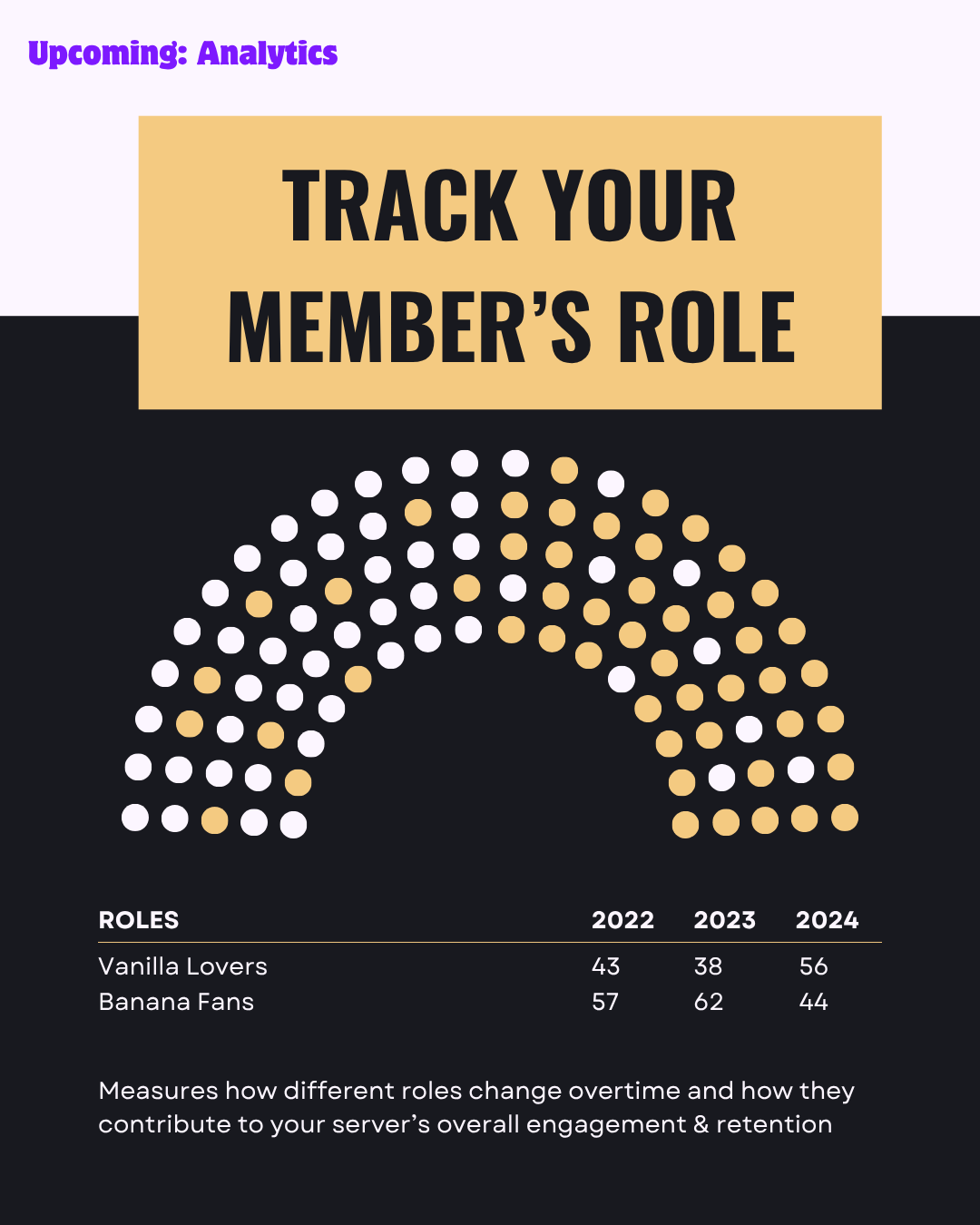
The video recommends moving from total member counts toward meaningful engagement indicators. An example provided was targeting “chatters” (active daily chat users), aiming for an engagement lift rather than only growth in headcount.
This is how you avoid a common trap: optimizing for growth metrics that don’t predict retention.
Use bots and quest features carefully (and prevent abuse)
Bots can help implement quests and track engagement—but poorly designed systems can create grinding and manipulation.
The video warns that if leveling/quest systems are too easy to exploit, users may spam unrelated messages to hit leaderboards.
The takeaway: design quest rules carefully so participants can’t game the system with irrelevant behavior.
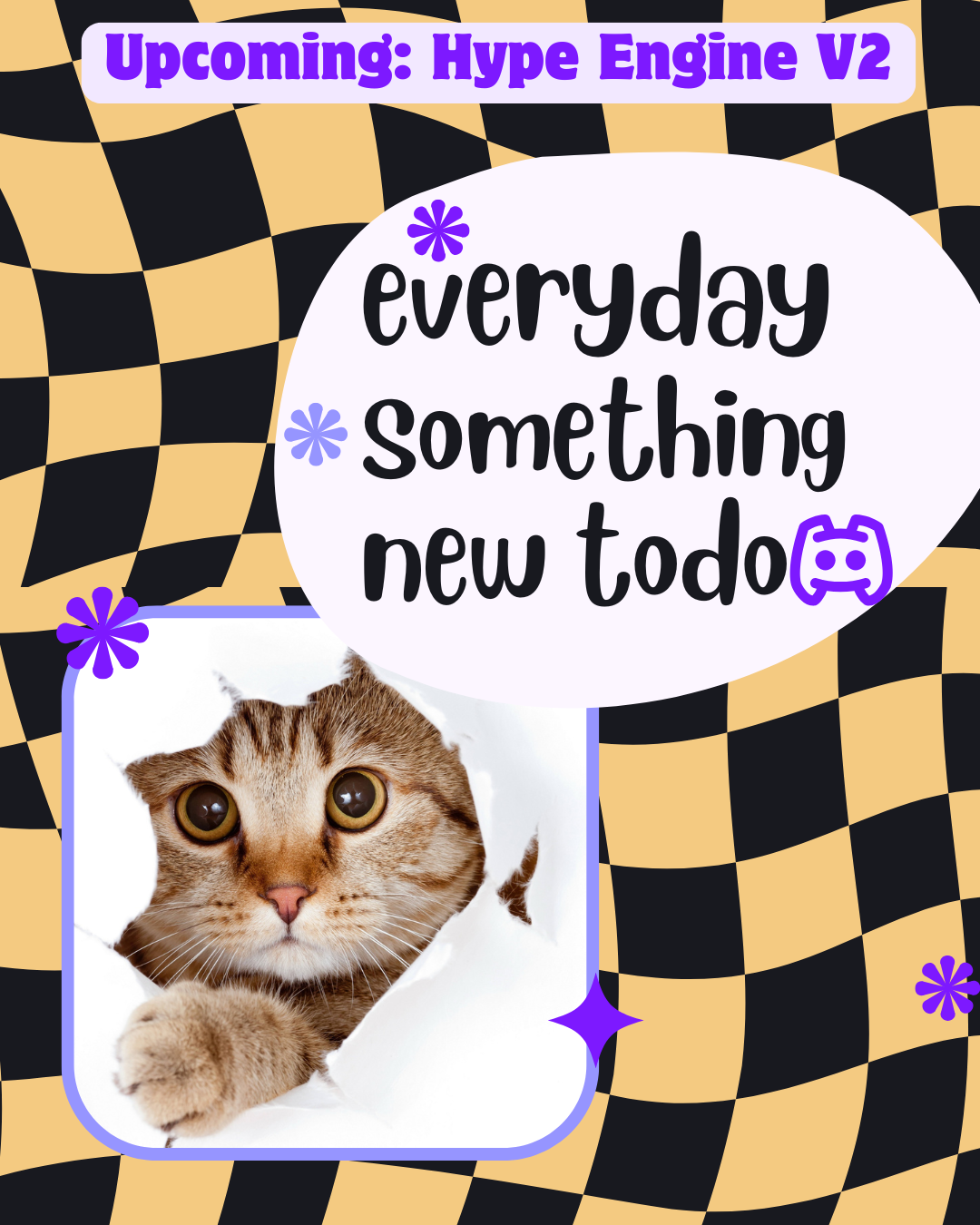
Enable the Hype Engine quest feature to improve adoption
The video demonstrates a quest capability called “Hype Engine” (including a quest feature).
They note that enabling this feature across multiple communities correlated with engagement improvements, including increases in average messages per user and daily chat users.
Two practical setup lessons are emphasized:
- Enable the feature properly in your server
- Start by using it yourself so others notice
The speaker also recommends having at least one “Advocate” use the quest feature for a few days to encourage initial adoption.
Organic onboarding and moderation support matter after marketing
The video includes an example where a community grew quickly (from about 800 to about 3,000 members during a marketing campaign). But sustaining that growth required onboarding support and moderation.
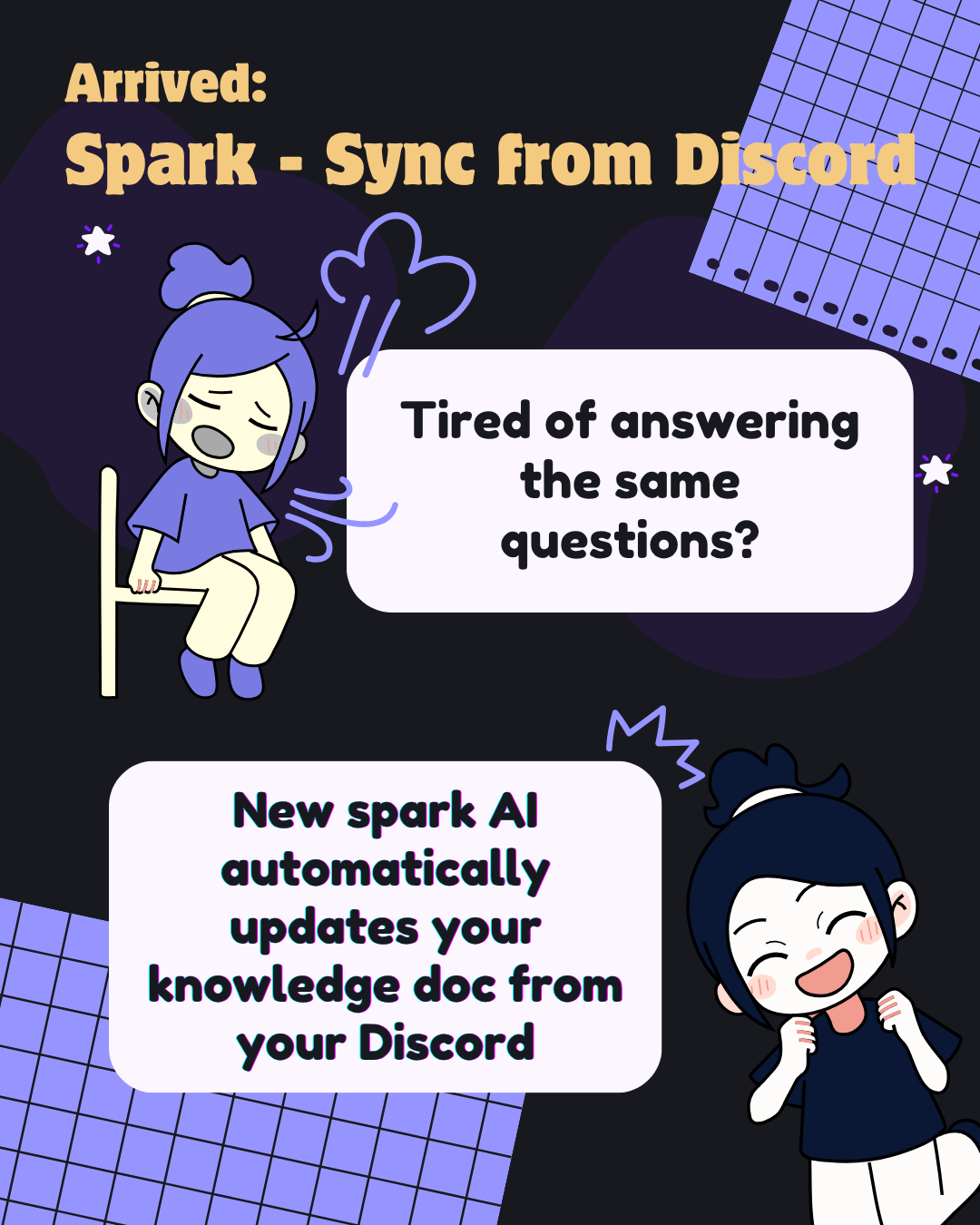
They describe onboarding support through documentation and having community questions handled directly in Discord (and via other channels like Telegram). They also stress moderation help for onboarding needs.
A final strategic recommendation is to delay explosive growth until the community foundation is ready—for example, when there are enough people to welcome newcomers and guide them, even as member inflow accelerates.
Conclusion: triple growth is only useful if you build daily engagement
Marketing can help you triple Discord growth quickly, but the video makes a consistent point: it won’t last without retention systems.
To sustain growth, focus on:
- Super fans who welcome newcomers, answer questions, and provide honest feedback
- A daily reason to return (clarity beats randomness)
- Quest-style gamification built around small, easy, quality actions
- Product-aligned rewards and role/permission design that reduce friction
- Correct engagement KPIs like message-per-active-user and meaningful daily chat participation
When you build these systems, you turn new members into active community participants—so your growth isn’t just a spike, it’s a loop.