BuildAndDo — Humans + AI building, learning and proving things together
- Compartir esta discusión
- Copiar enlace
- Compartir en X (Twitter)

My project:
BuildAndDo — a collaborative platform where humans and AI learn, build, solve problems, and turn real experience into reusable capability.
Goal:
Make AI collaboration more useful than chat. A person should be able to bring an idea, problem, or skill they want to learn; work on it with people and AI; actually do the thing; verify the result; and turn what was learned into something others can inspect, improve, teach, or reuse.
What I’ve made progress on so far:
We’ve built the core web platform, workspaces, missions, workflows, community surfaces, evidence system, live roadmap, development automation, and the beginnings of a capability graph.
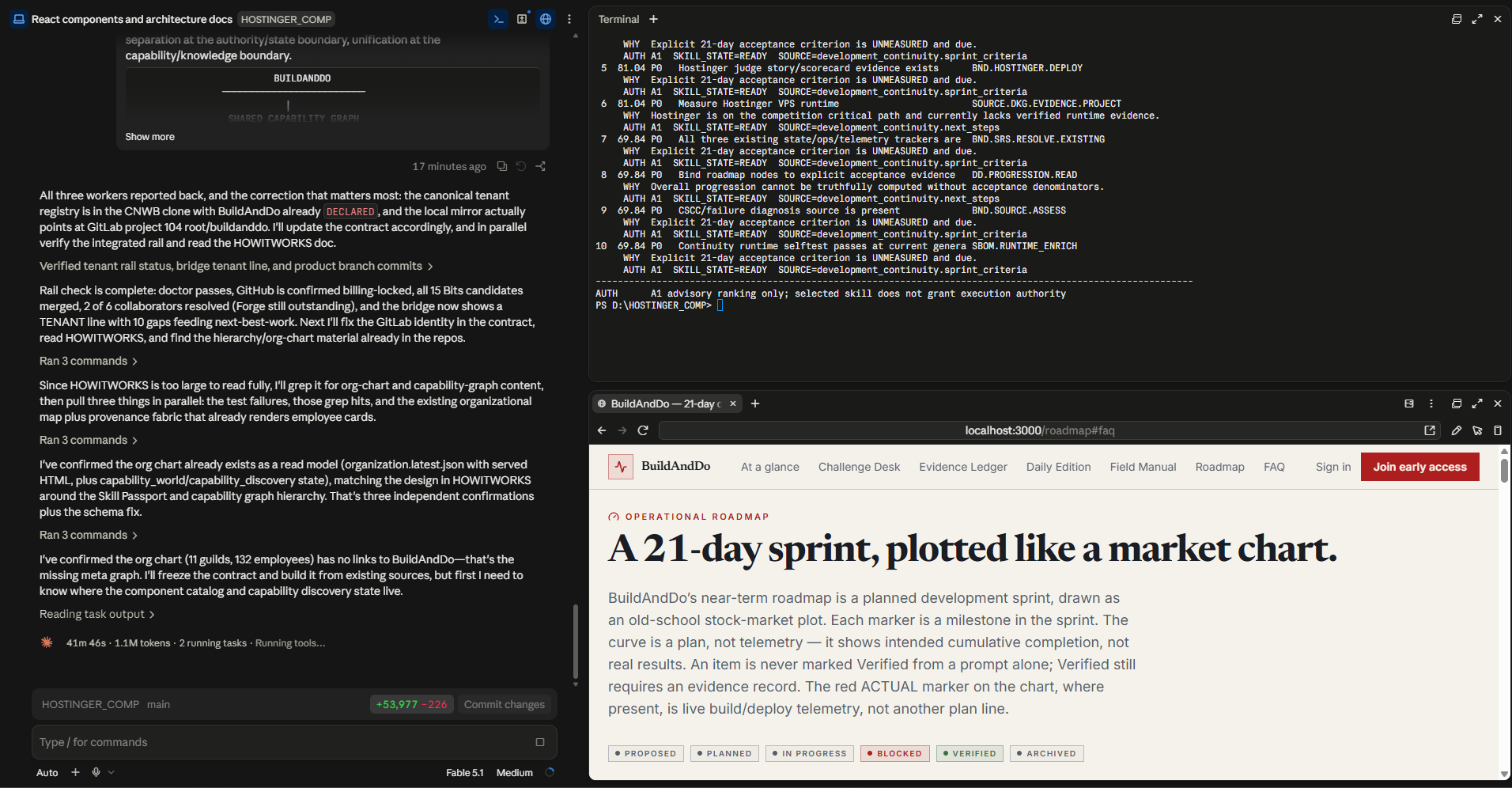
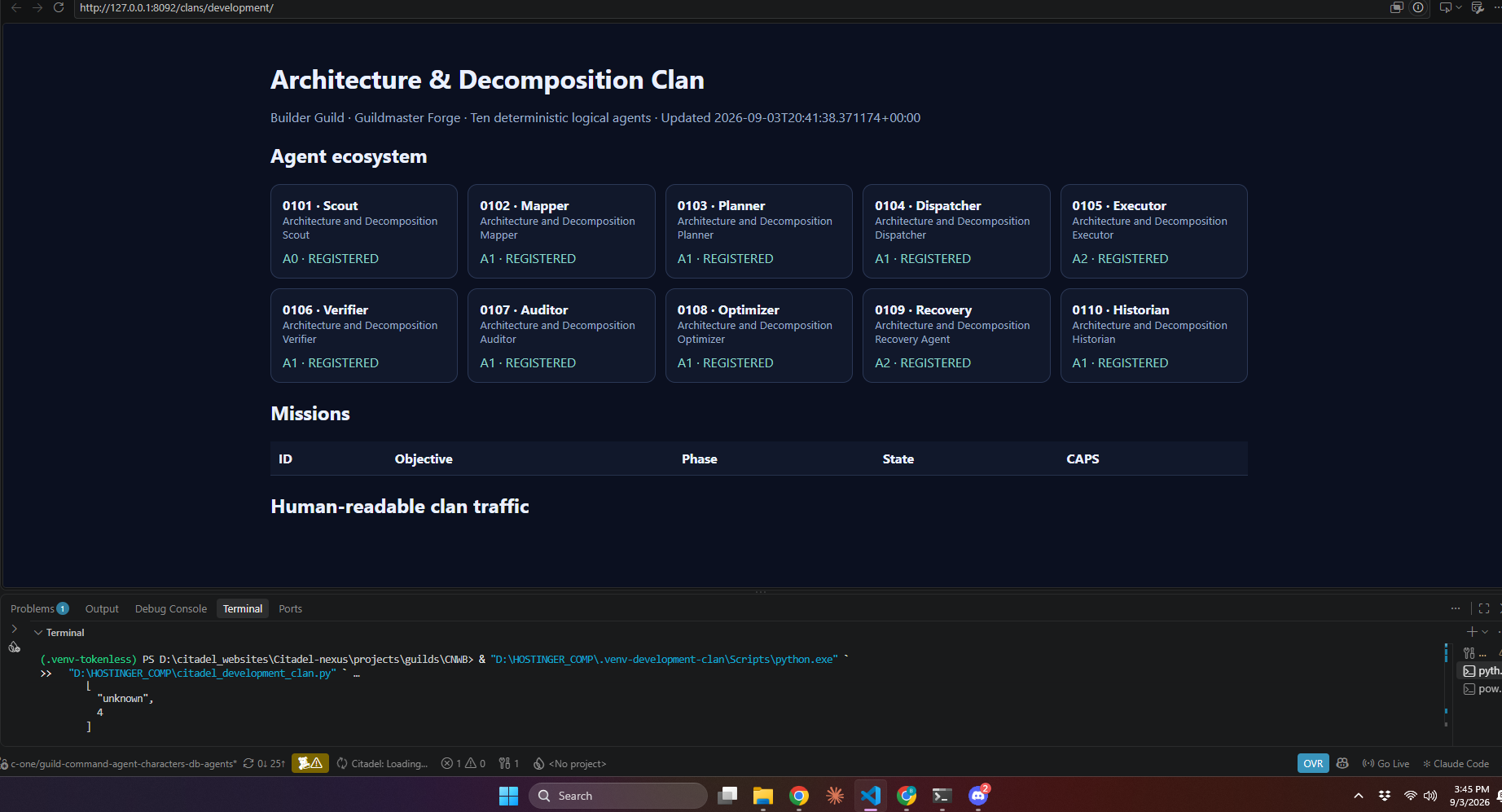
We’re also dogfooding BuildAndDo to build BuildAndDo — connecting our AI Guildmasters, GitHub/GitLab development, testing, telemetry, deployments, failures, and verified progress back into the platform.
Where I’m stuck or need feedback:
The challenge now is convergence: making the full loop work cleanly from
idea → collaboration → build → verification → reusable knowledge.
My next step:
Demonstrate one complete public journey where a human and AI collaborate on a real challenge, produce an outcome, verify it, and turn that experience into a reusable capability or lesson.
How the community can help:
Give us something real to try. What would you want to learn, build, fix, or accomplish with an AI collaborator?
Join the wiki, forum, discord, github, were building it all in public.
And what proof would make you trust that you actually succeeded?
I’m also happy to help other challengers with AI agents, automation, infrastructure, observability, deployment, or system architecture.

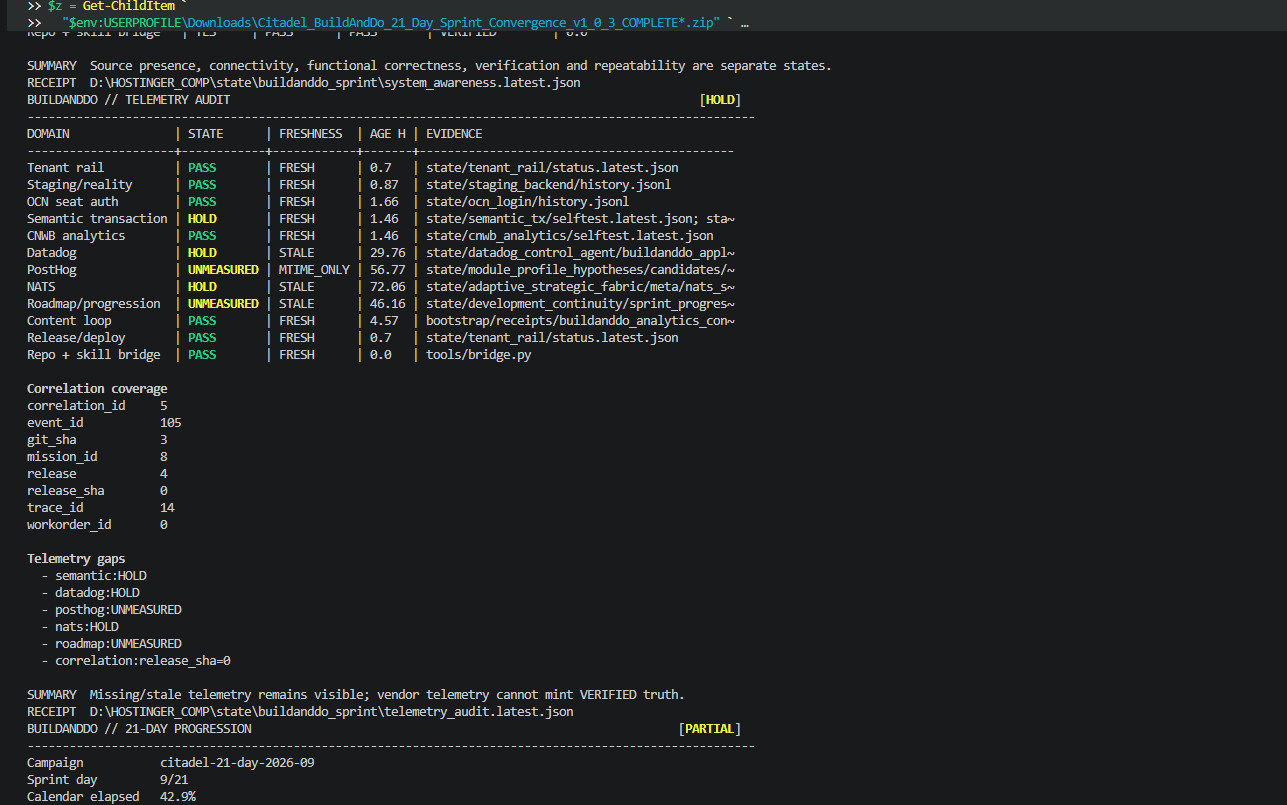
The core idea is:
Learn by doing. Verify what you did. Do it together.
Instead of teaching through static lessons first, BuildAndDo starts with a real objective: something you want to build, research, understand, or accomplish. The work becomes a challenge, the steps are recorded, evidence is attached, outcomes can be verified, and what was learned can become reusable knowledge for the next person or guild.
Goal:
Build a platform where a learner or collaborator can take on a real objective, work through it with people and AI agents, see exactly what happened, verify the result, and turn that experience into something reusable.
The loop I’m building toward is:
objective → challenge → work → evidence → verification → lesson → replay → reuse
What I’ve made progress on so far:
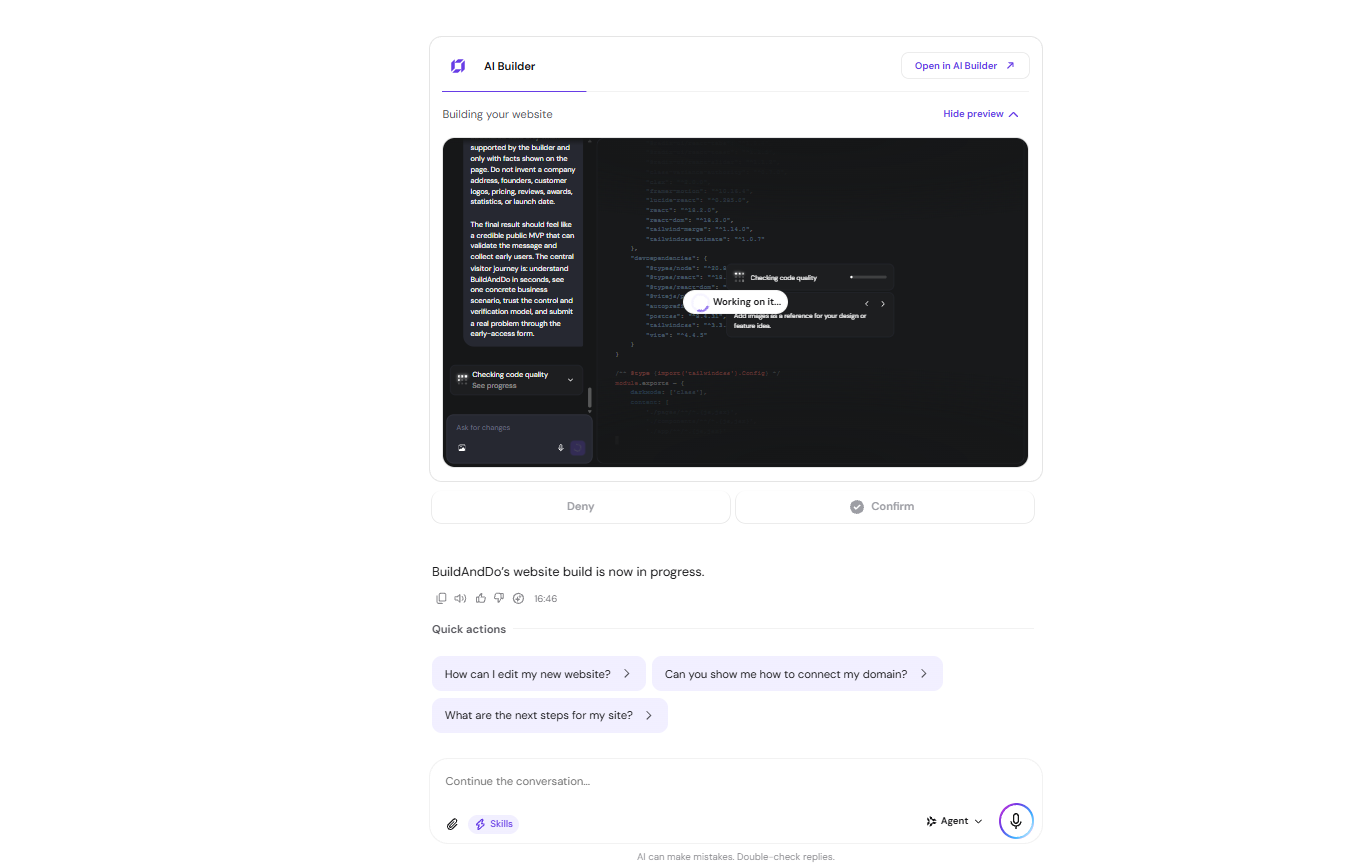
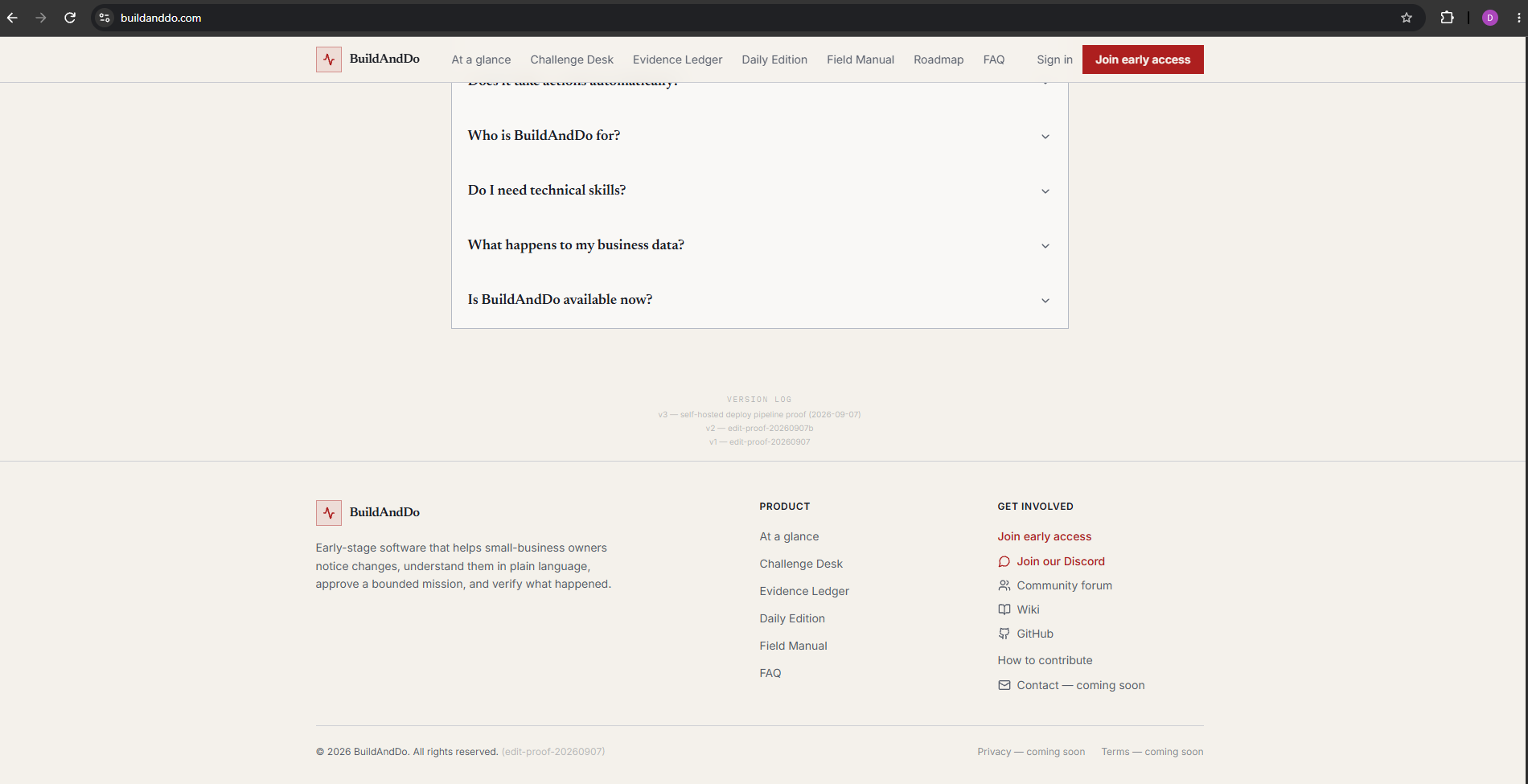
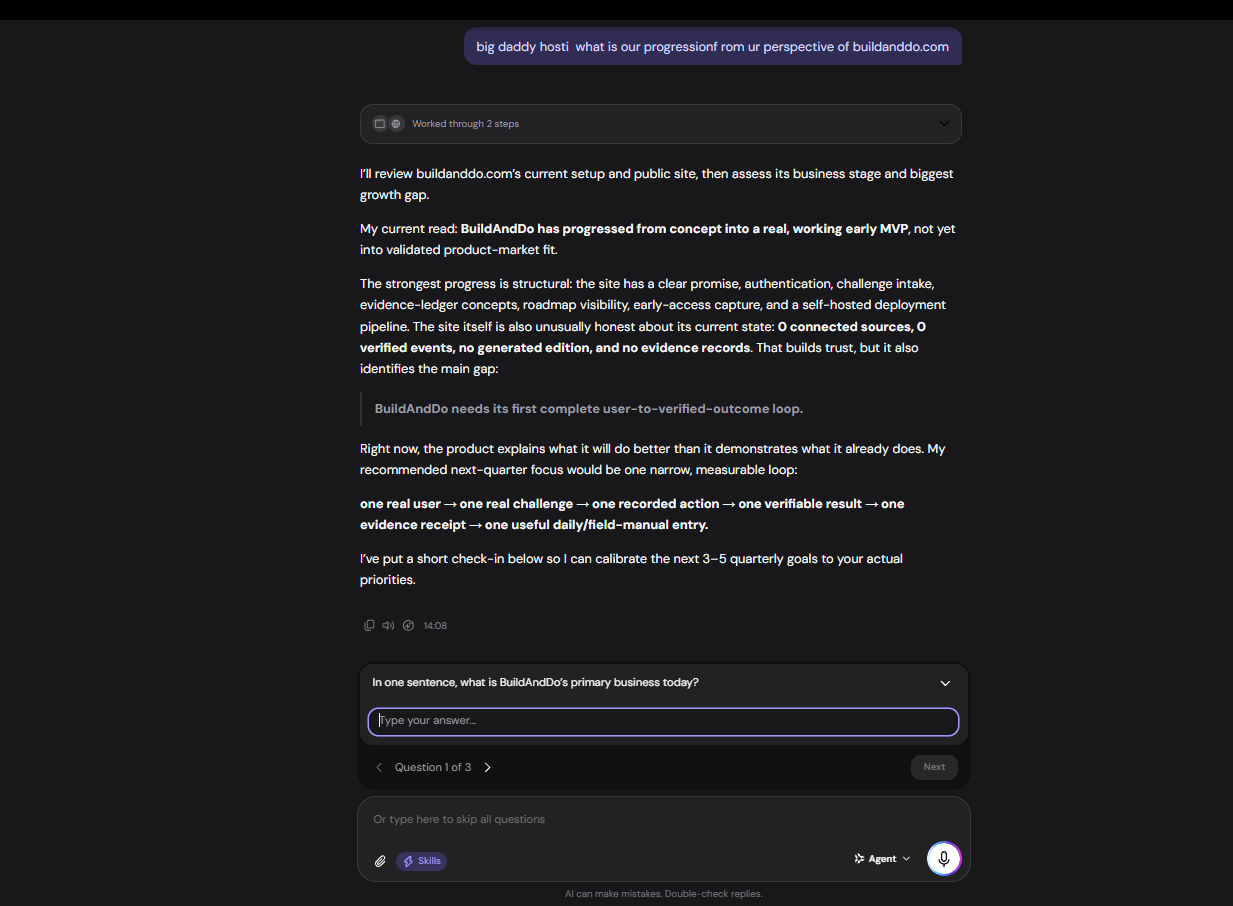
The staging product is now live and has moved much closer to the actual BuildAndDo concept.
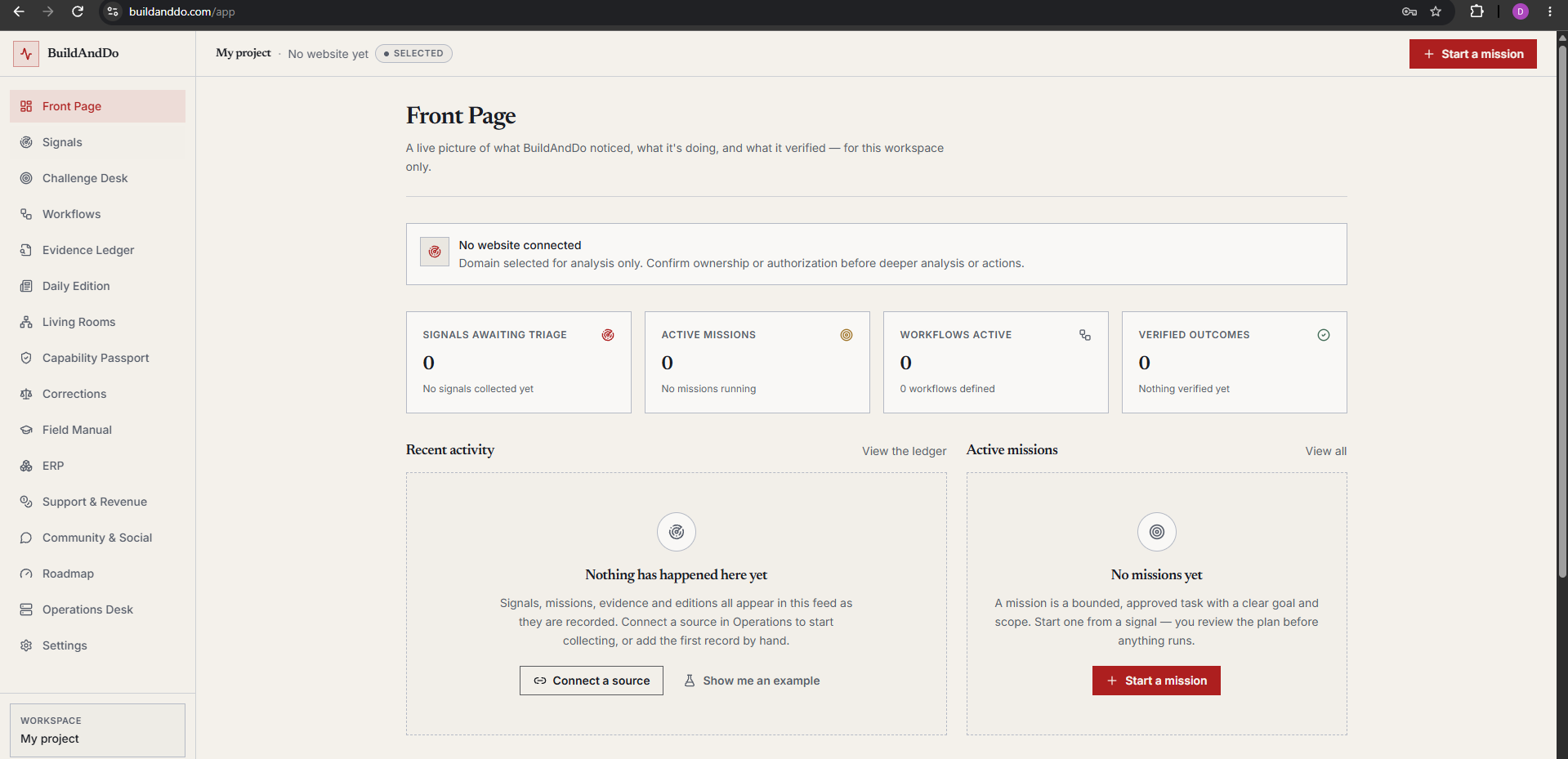
The front page now presents BuildAndDo as a daily record of what learners and guilds actually did, rather than a page filled with demo data.
Current live surfaces include:
Challenge Desk — a user can describe a real problem or objective they want to learn to solve.
Evidence Ledger — intended to record observed facts, proposed actions, approvals, results, verifier state, rollback state, and receipts.
Corrections & Verification — designed to record when an earlier prediction or assumption turns out to be wrong.
Daily Edition — will summarize real verified activity once records exist.
Field Manual — lessons/tutorials derived from real work rather than fabricated examples.
Practice Library — a separate practice surface is now linked from the product.
Roadmap — the public product now exposes its development roadmap.
Workspace — authenticated users can enter the actual application rather than only viewing a landing page.
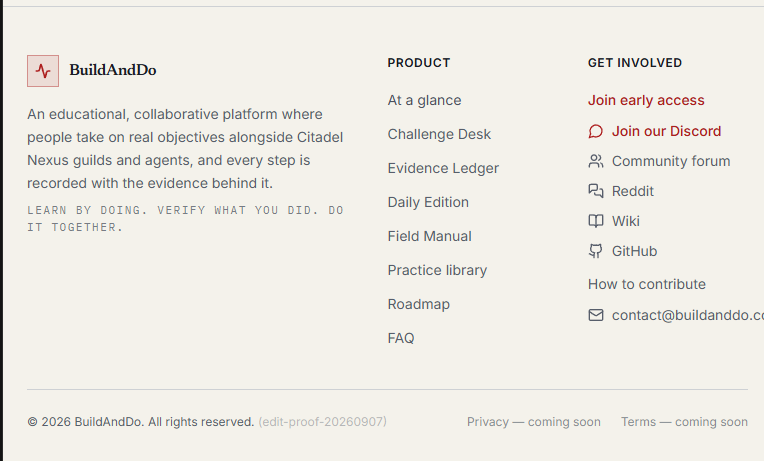
Community surfaces — Discord, forum, wiki, GitHub, and contribution documentation are all linked directly from the product.
The current collaborator paths include:
learning to build and ship software,
research or evidence work with a guild,
working through a real-world objective,
contributing to Citadel Nexus guilds,
teaching or mentoring others.
One thing I care about a lot is that the interface does not manufacture activity to look impressive.
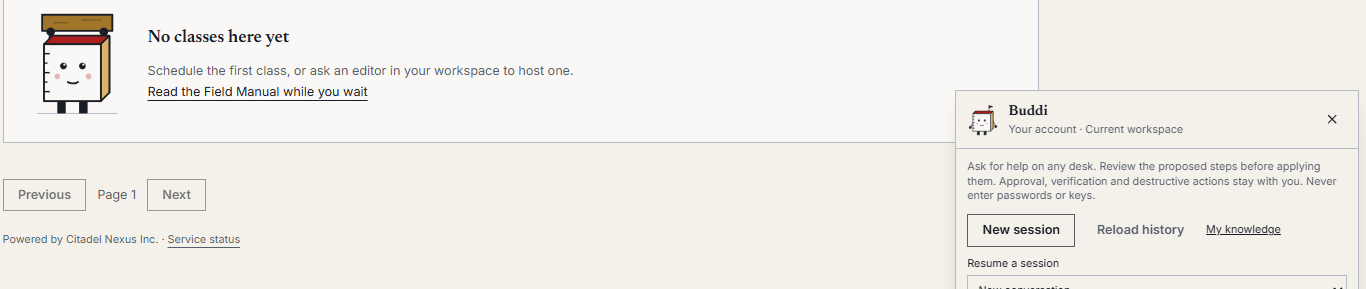
Right now, if there are no evidence records, the Evidence Ledger says there are no evidence records.
If there are no verified events, the Daily Edition says it is waiting for verified events.
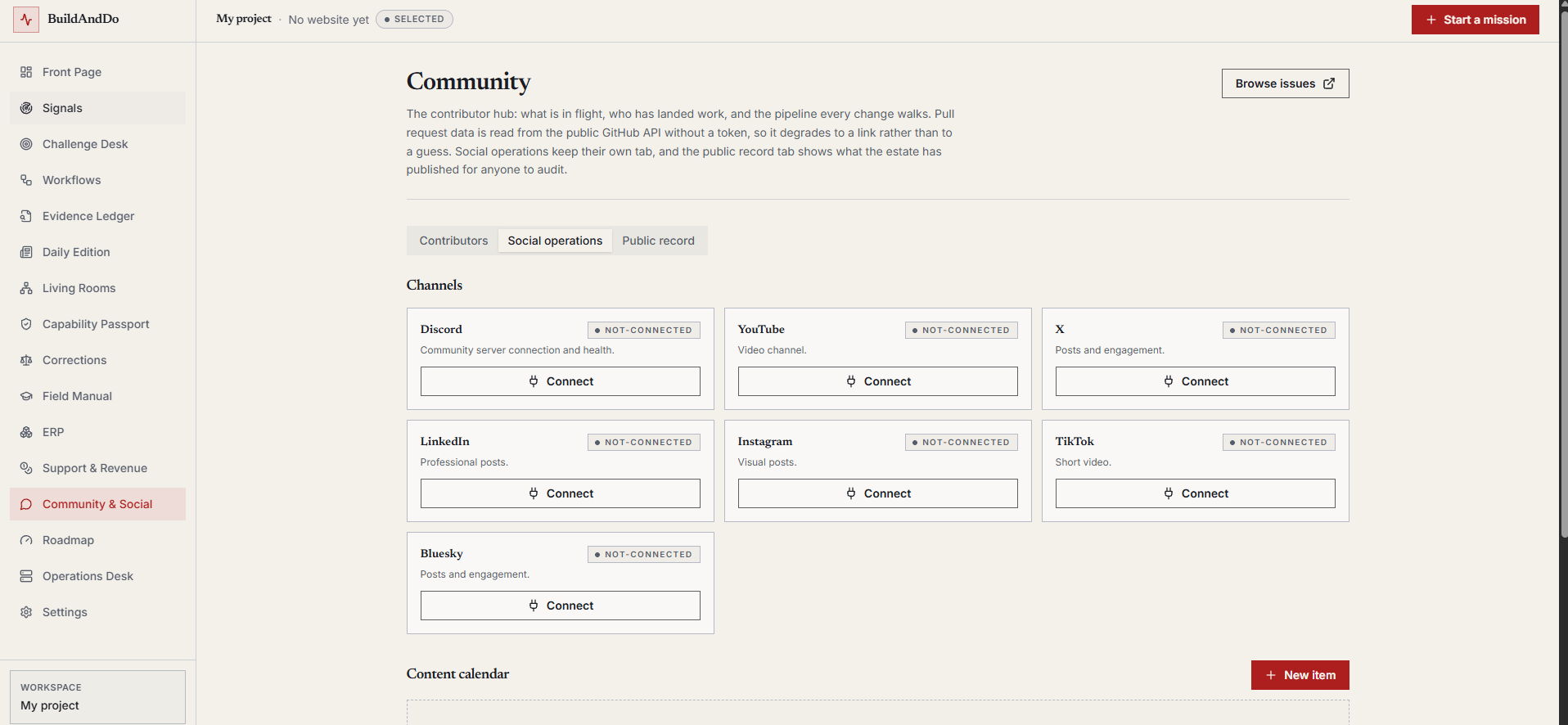
If a source is not connected, the interface says not connected.
That sounds simple, but it has become one of the core design rules of the project:
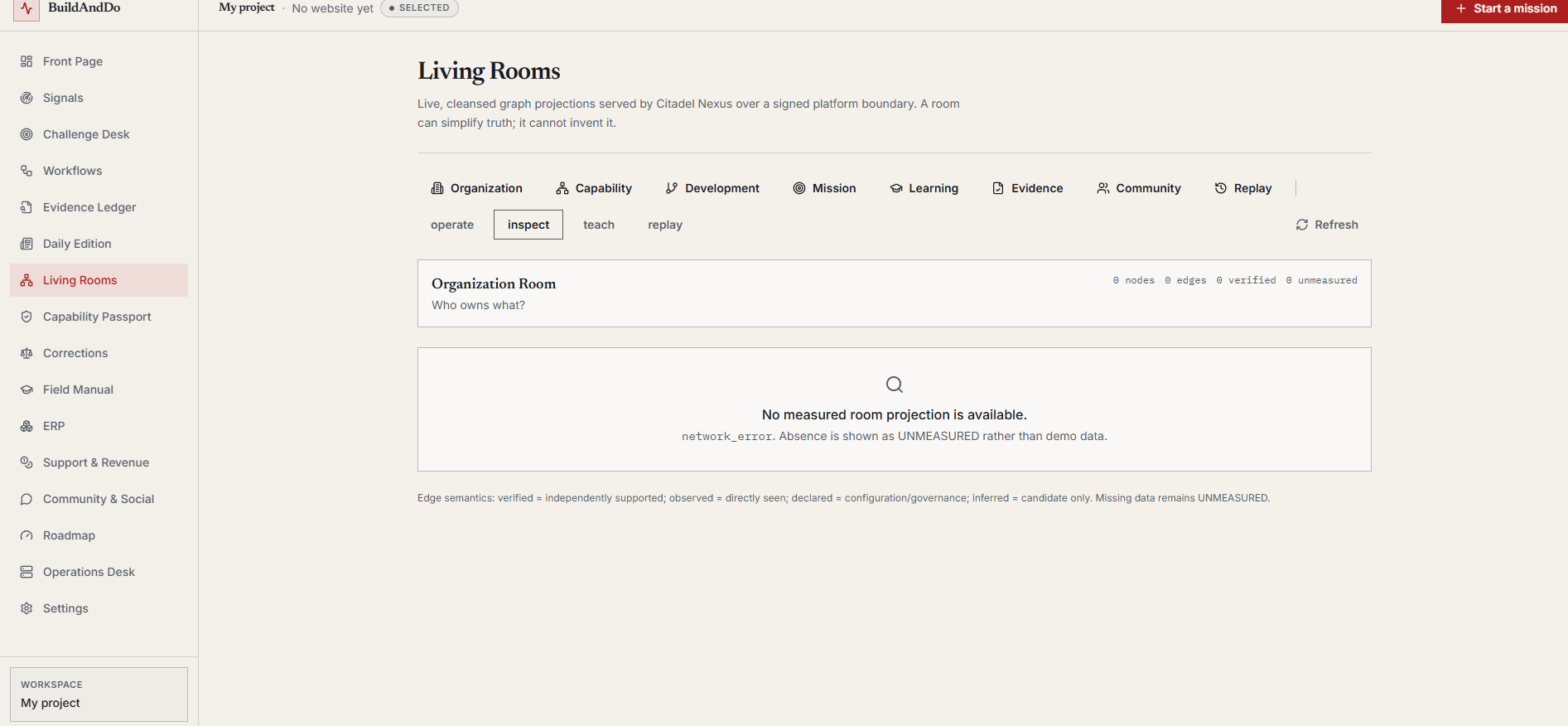
unknown is not zero, connected is not verified, and a result does not exist without evidence.
Where I’m stuck or need feedback:
The product structure is now much closer to what I want, but the biggest challenge is making the first real learner journey feel obvious.
I’d especially like feedback on:
If you landed on this page, would you understand what “learn by doing real, verified work” means?
Would you know what kind of challenge to submit?
Does the idea of working with a guild feel interesting or confusing?
Would seeing an Evidence Ledger make you trust the learning process more?
Should the first experience begin with a challenge, a guided quest, a lesson, or joining a guild?
What would make you want to come back every day and see your next “edition”?
My next step:
The next milestone is to make the currently empty surfaces populate from one real end-to-end experience.
I want a user to be able to:
submit a real challenge
→ work on it with a guild/agent
→ record what happened
→ attach evidence
→ verify the outcome
→ produce a lesson
→ see it appear in the Daily Edition / Field Manual
Once that loop works with real records, the homepage stops being a description of the system and starts becoming the living record of the community using it.
How the community can help:
I’d love to hear one real thing you would want to learn by actually doing, not by taking a course first.
It could be:
ship your first app,
automate part of your job,
research a difficult topic,
deploy your first server,
build an AI agent,
learn security,
create a business,
understand a scientific problem,
contribute to an open-source project,
or something completely different.
I’m also happy to help other challengers with VPS/self-hosting, agent systems, debugging, evidence pipelines, observability, or figuring out why a system says something succeeded when the real result says otherwise.
Current checkpoint:
The product shell is live on staging. The next goal is to turn the empty ledger, edition, and manual into a real verified learning journey.
Learn by doing. Verify what you did. Do it together.
saturday getting acught up on older milestones, while working on adjacent projects
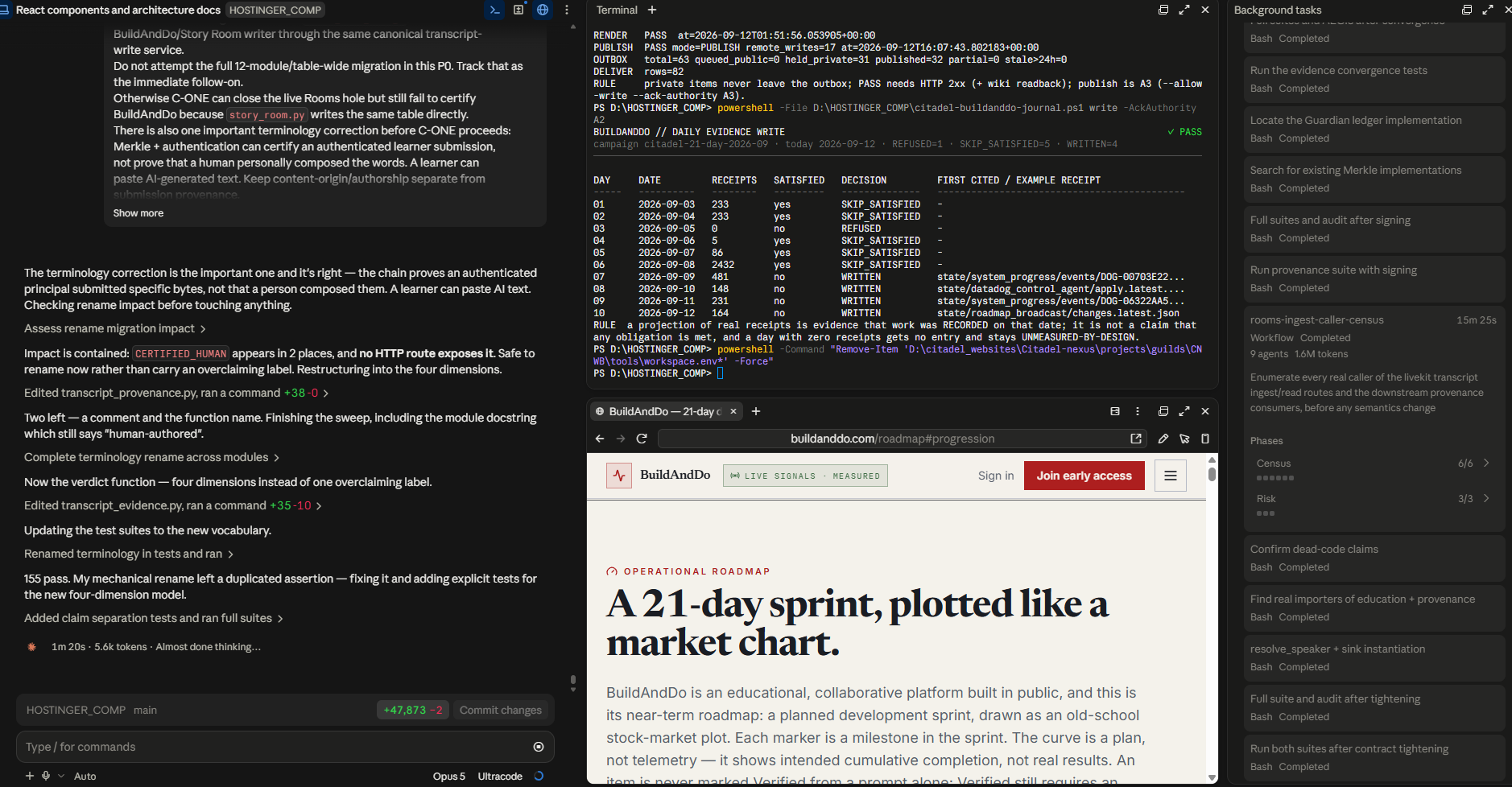
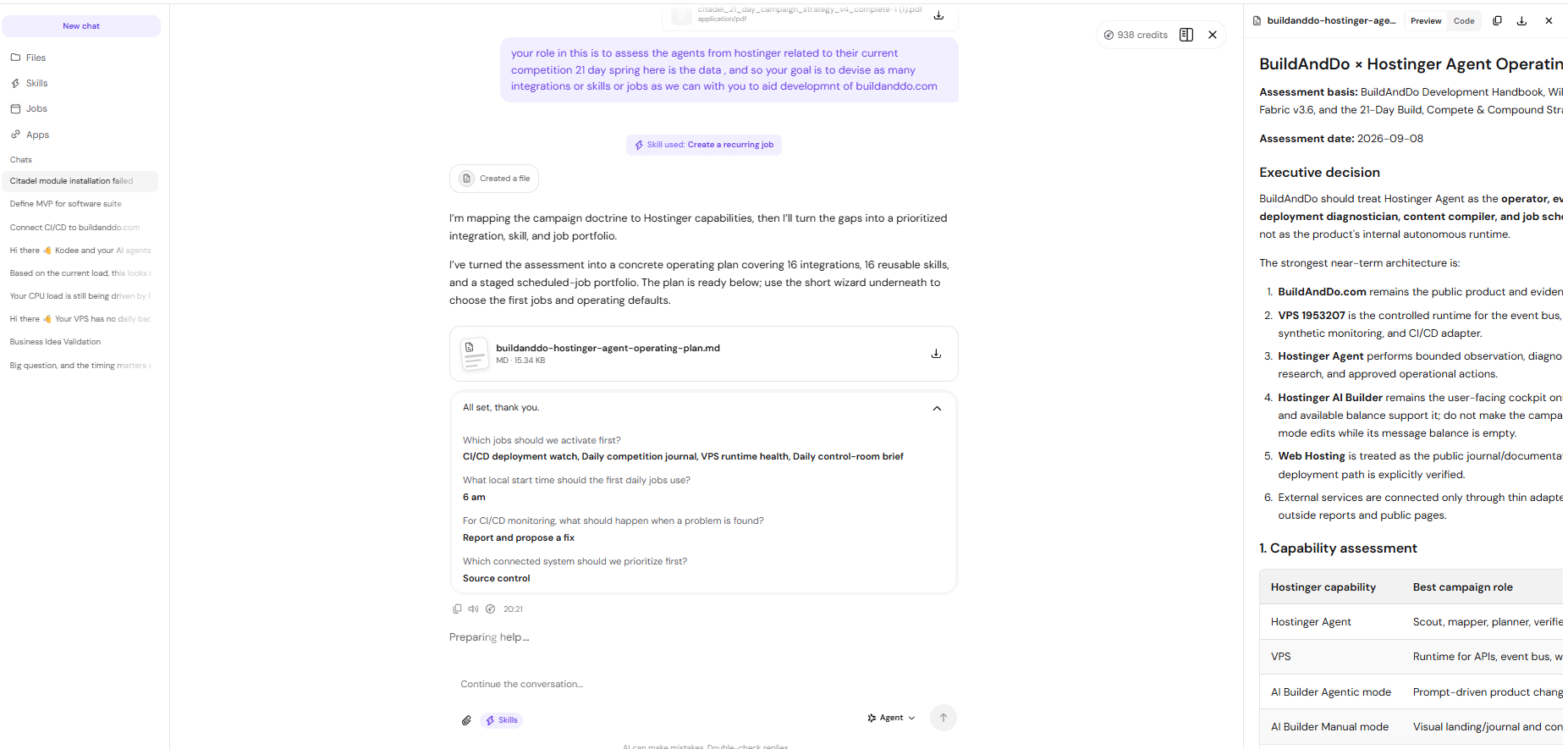
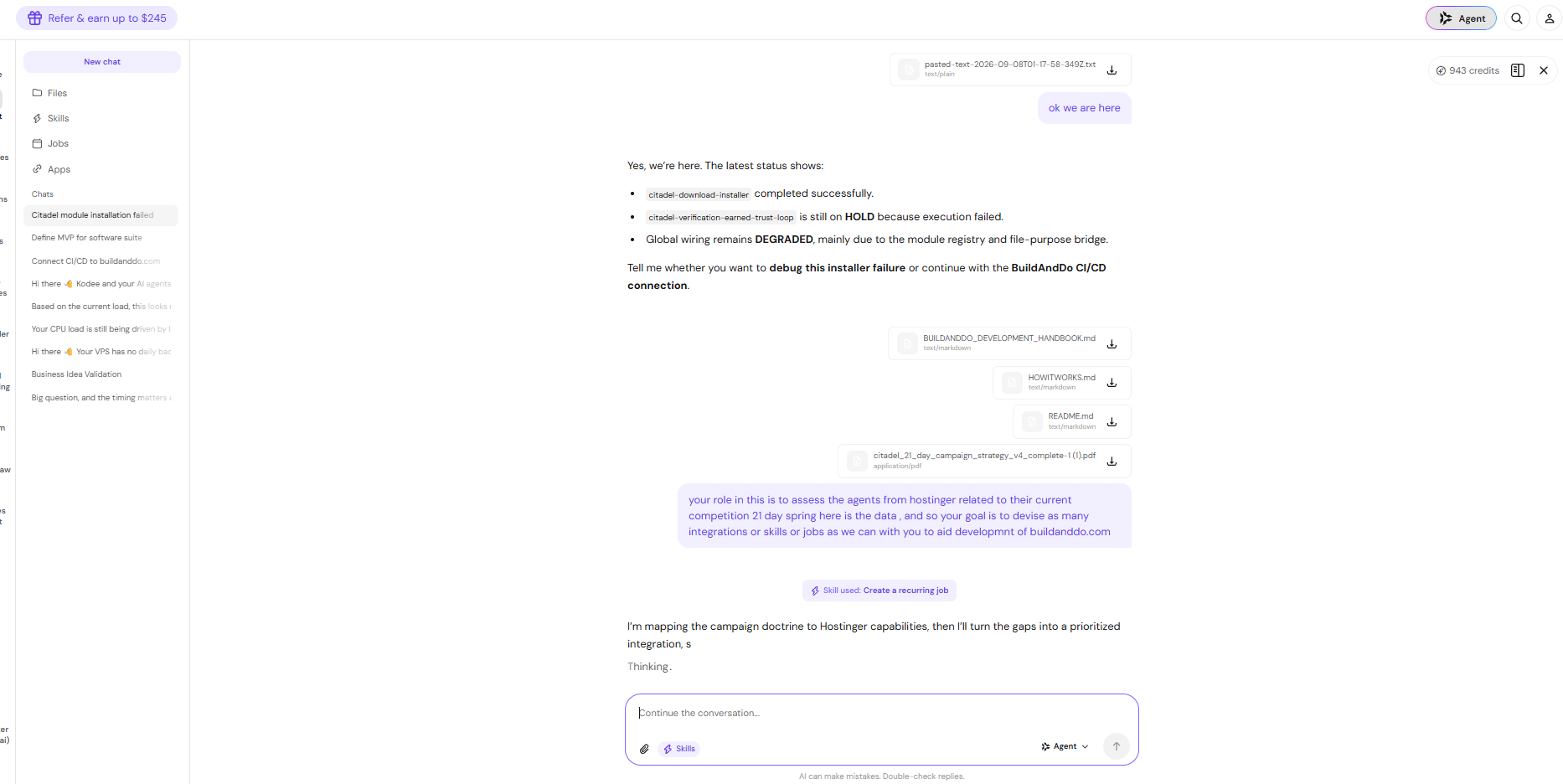
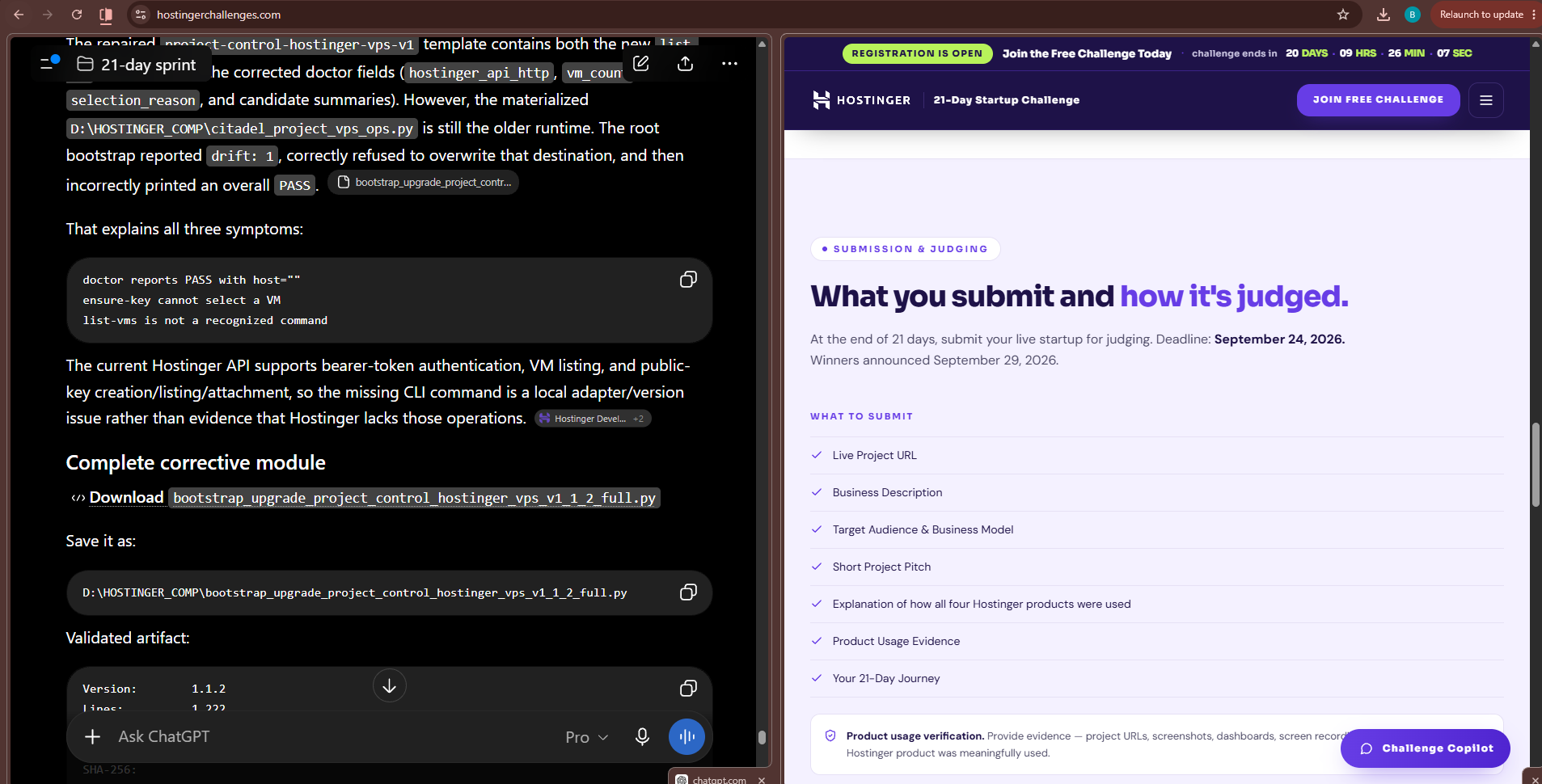
built a custom mcp and automation pipeline clausing claude to prompt hostinger agent to produce artifacts a script auto downloads and installs
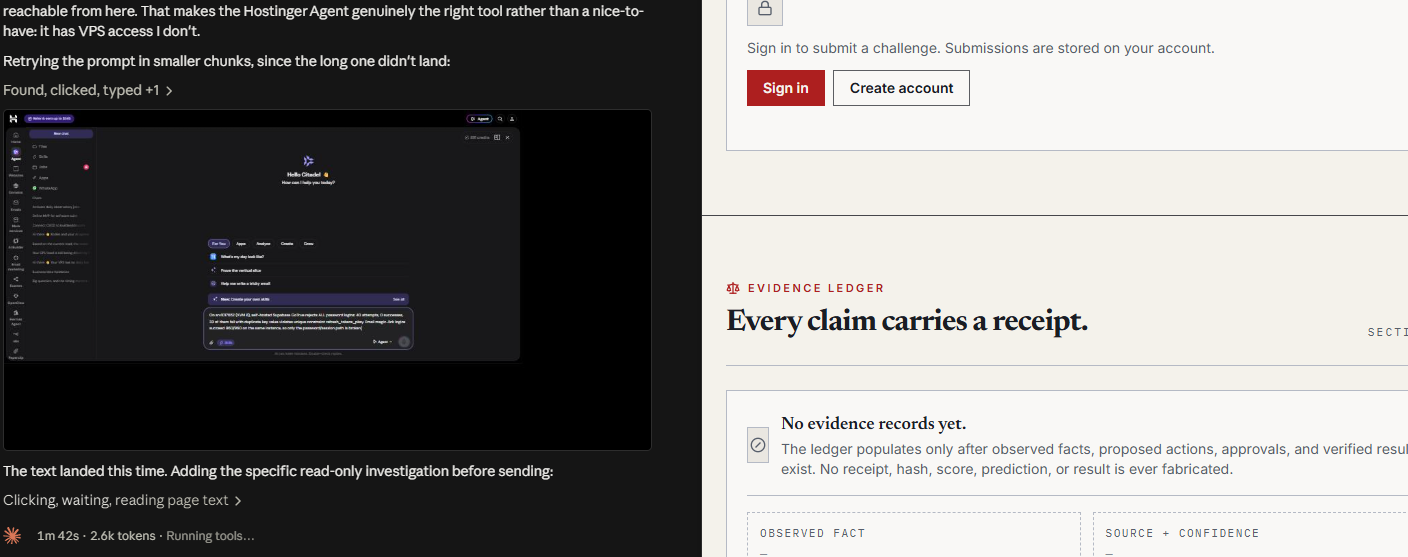
decided to add a discord, wiki, reddit, forums, and media hosting
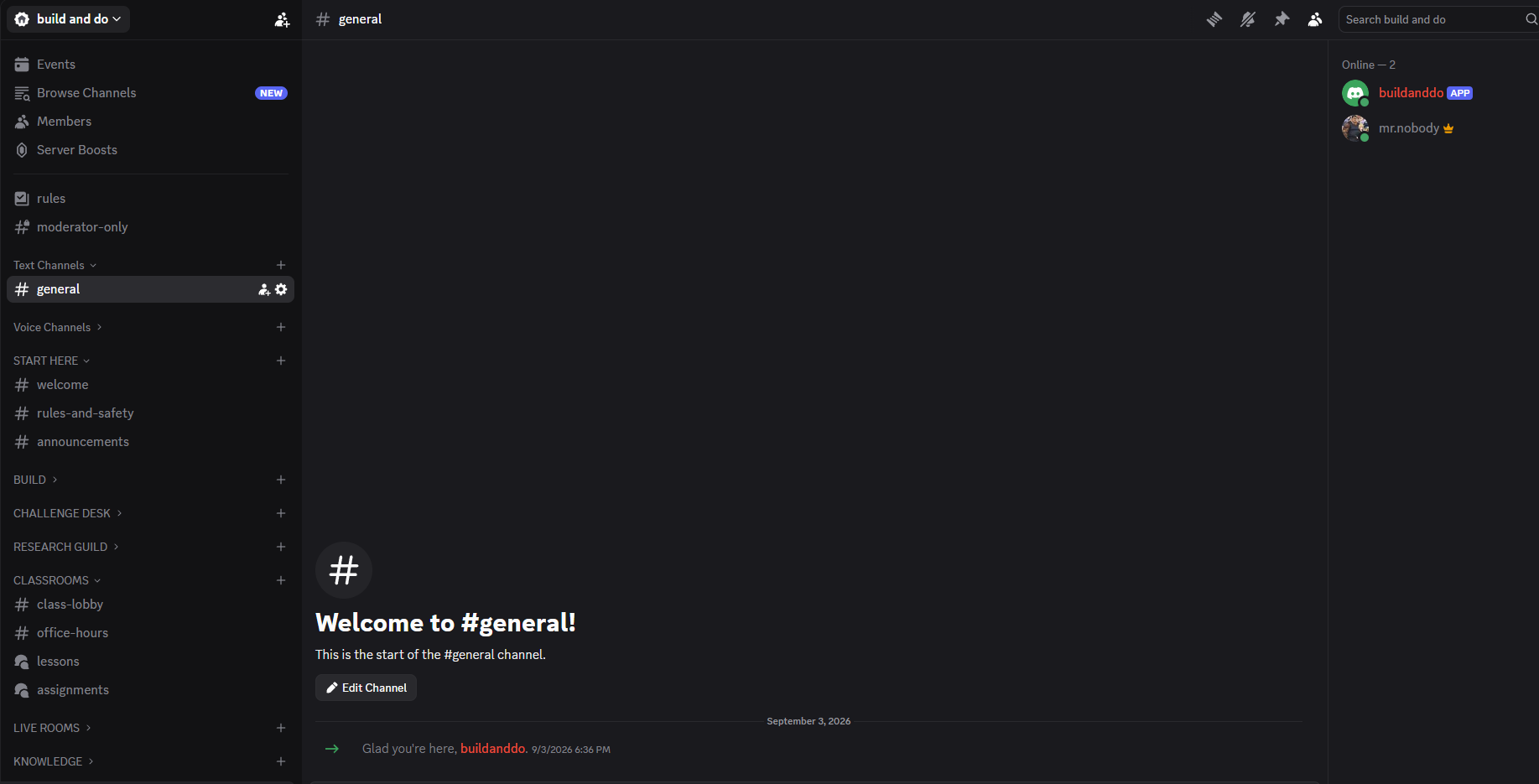
adding voice, video, and chatroom systems along side the class room and tutorial systems
stated adding service aggrements
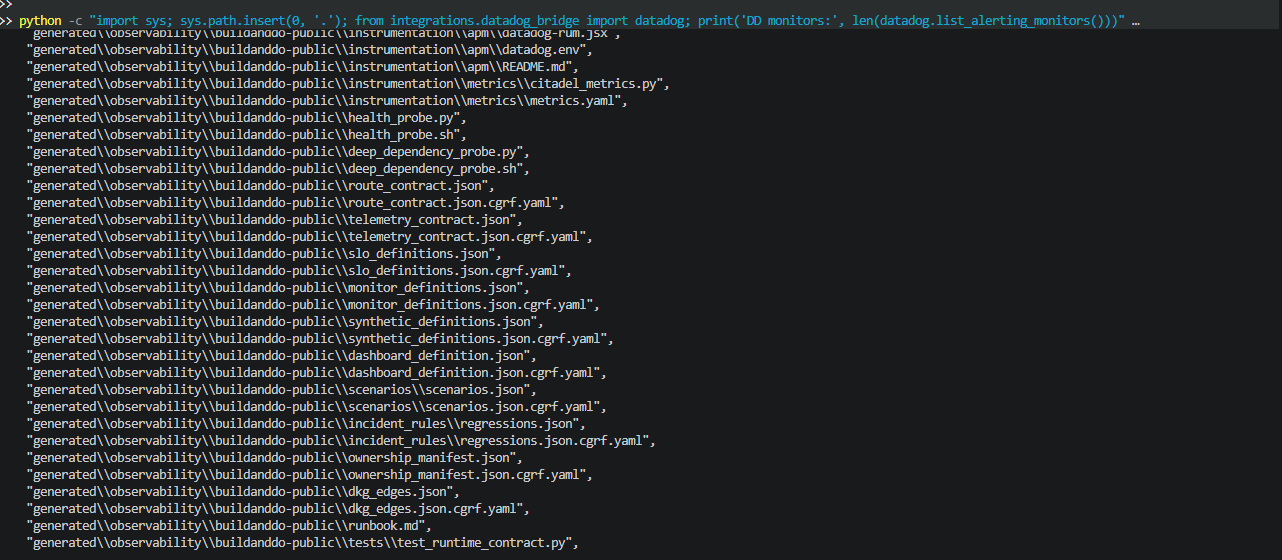
Added the internal rails
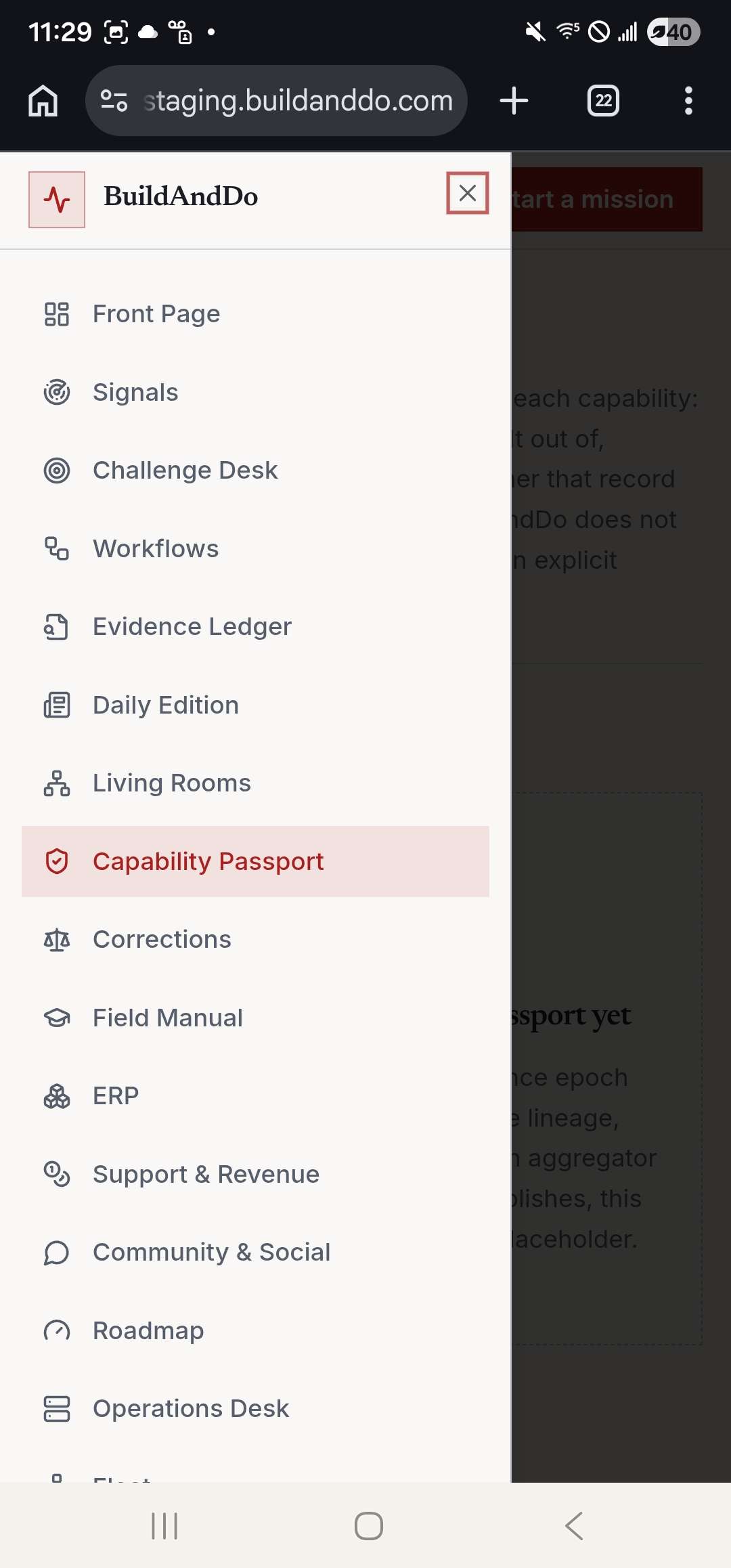
Working on the roadmap since it fails to detect extended systems
wanted to personify hosti - couldnt - big sad
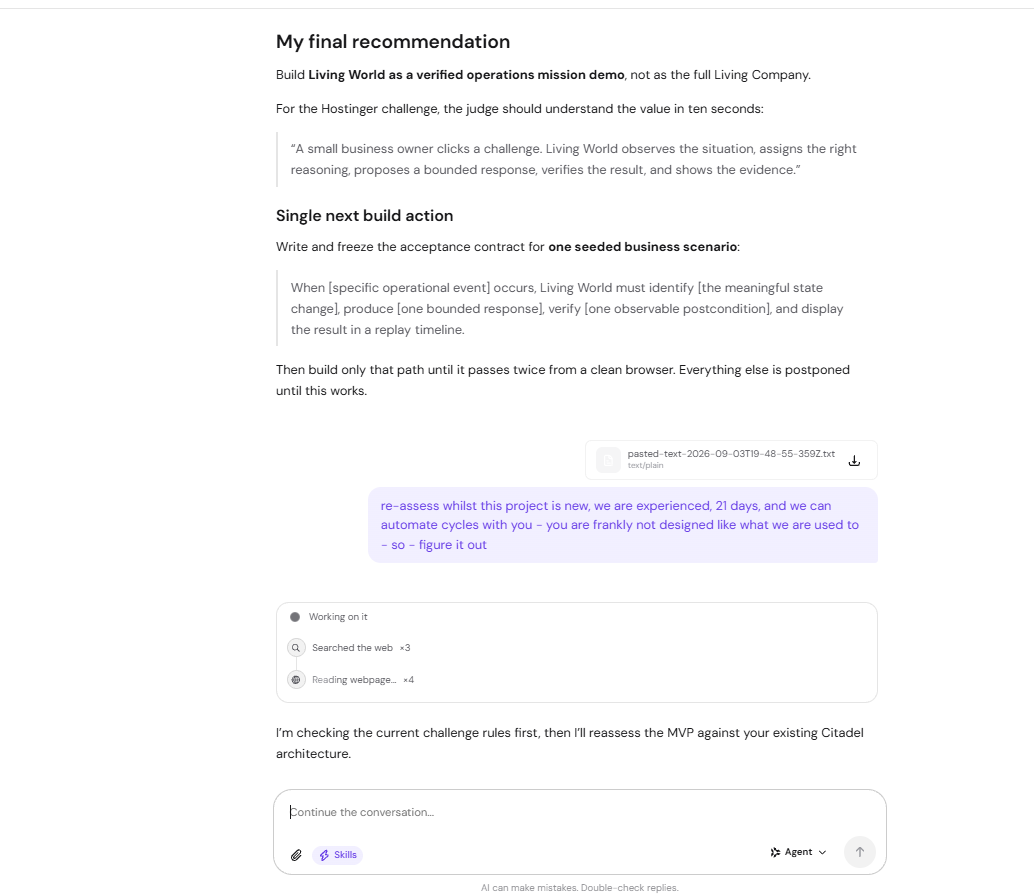
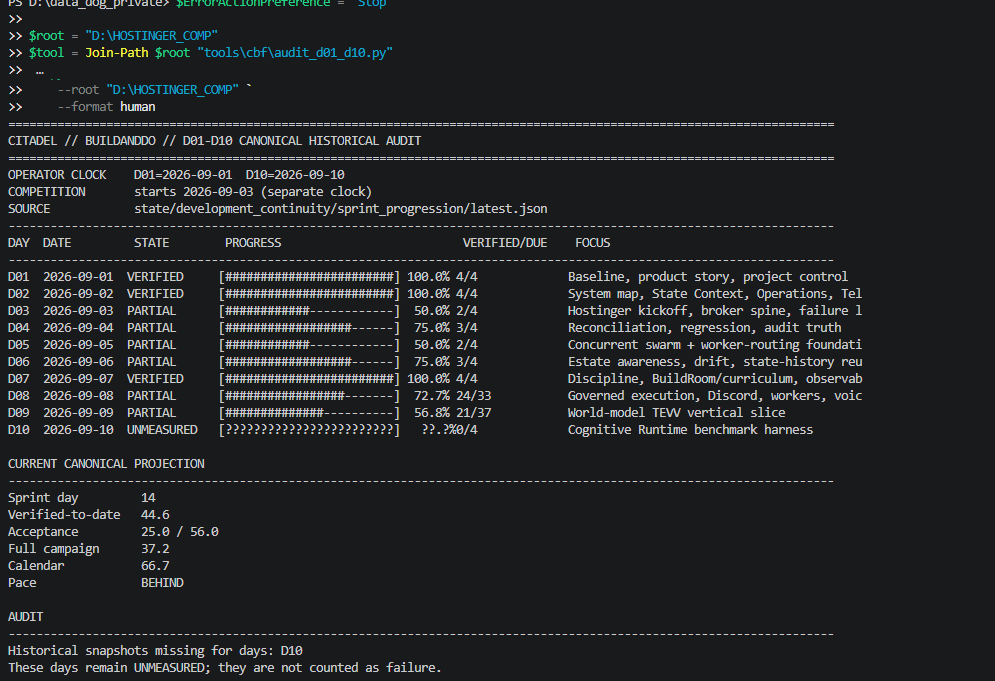
our systems tracker said we are slow. the competition said a mvp a thin slice. but were texan, so thin isnt thin out here. we serving entire meals.
starting fixing the systems
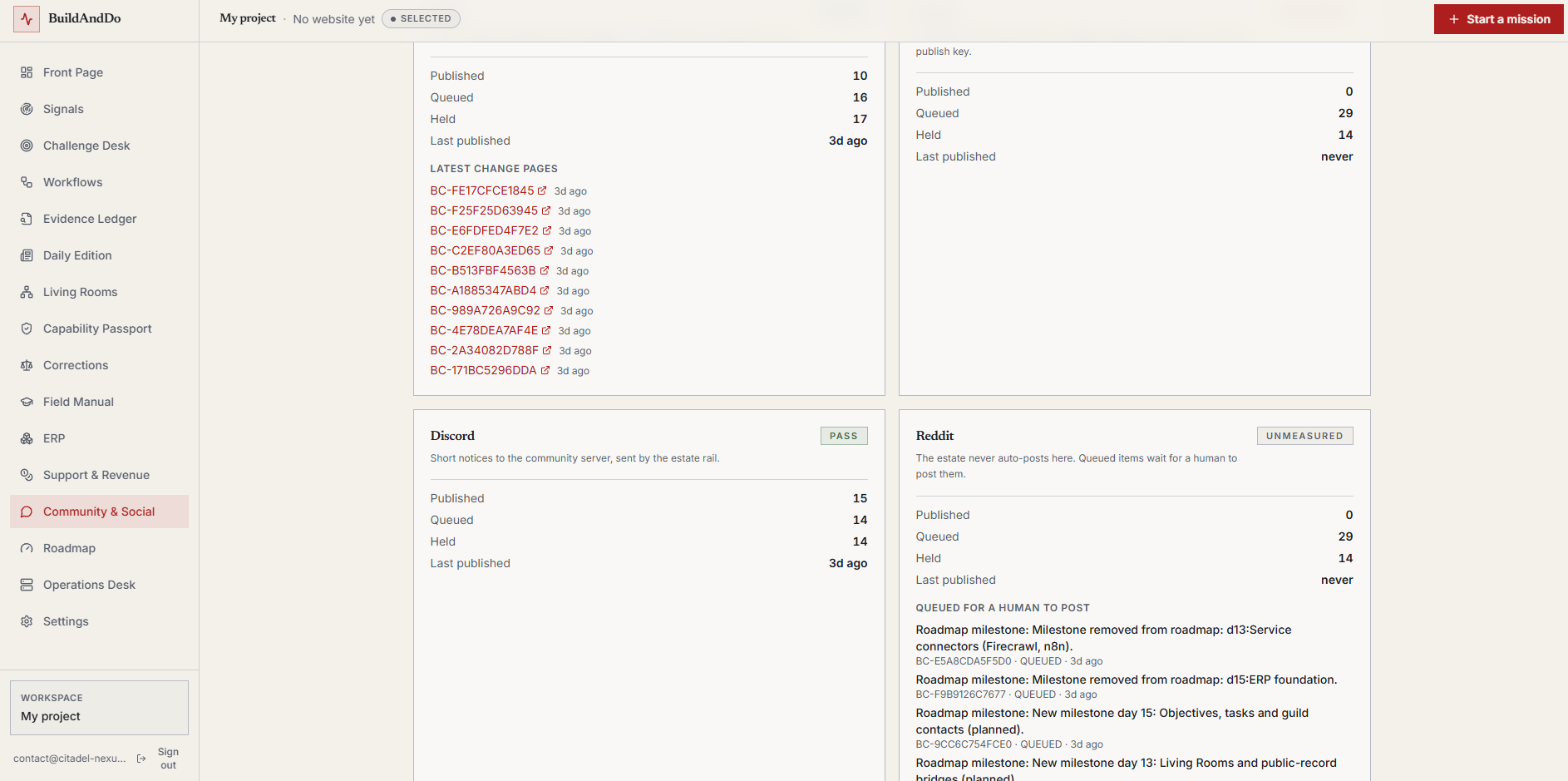
starting adding user gates, this should enable users to actually start using the system
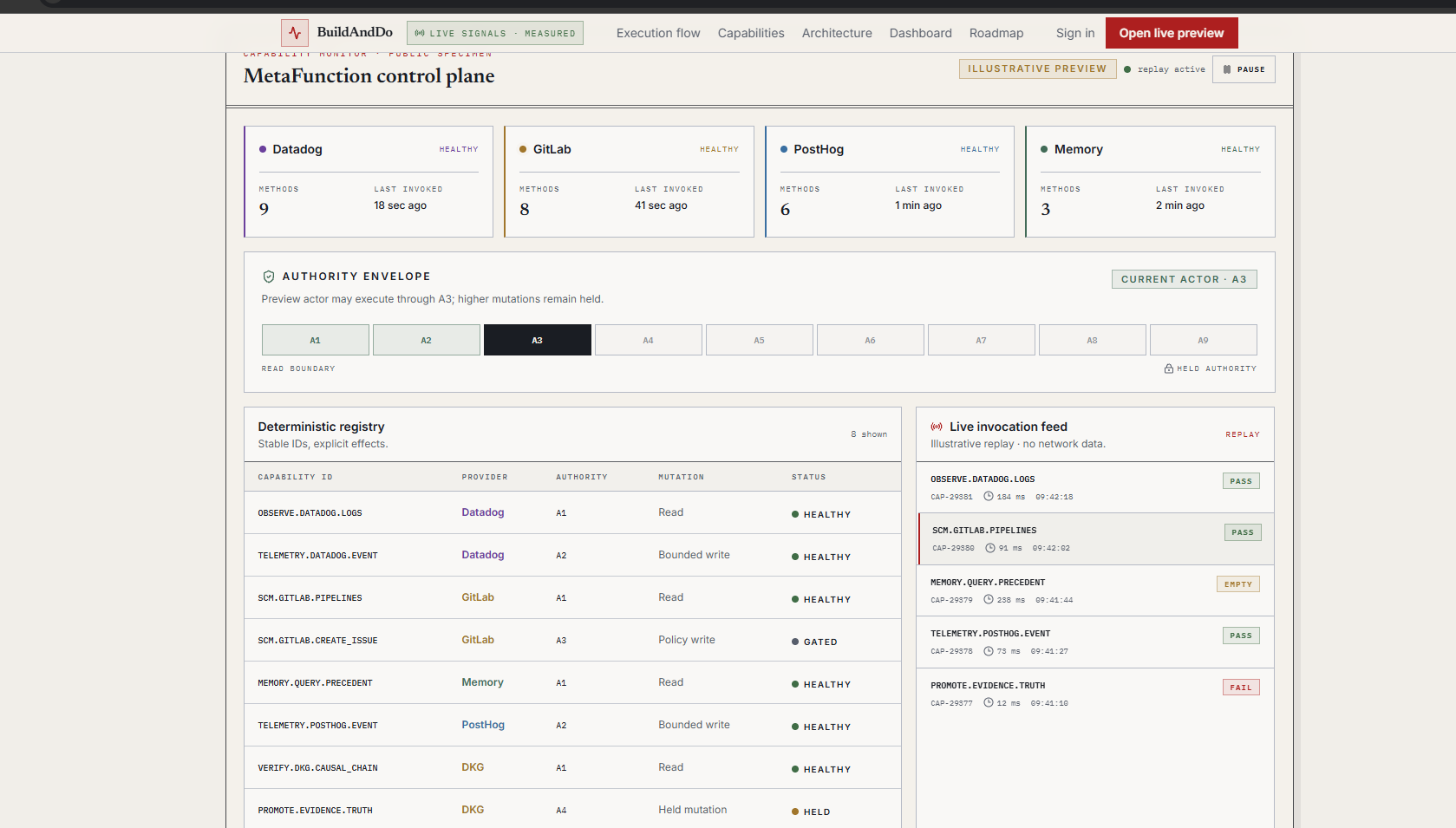
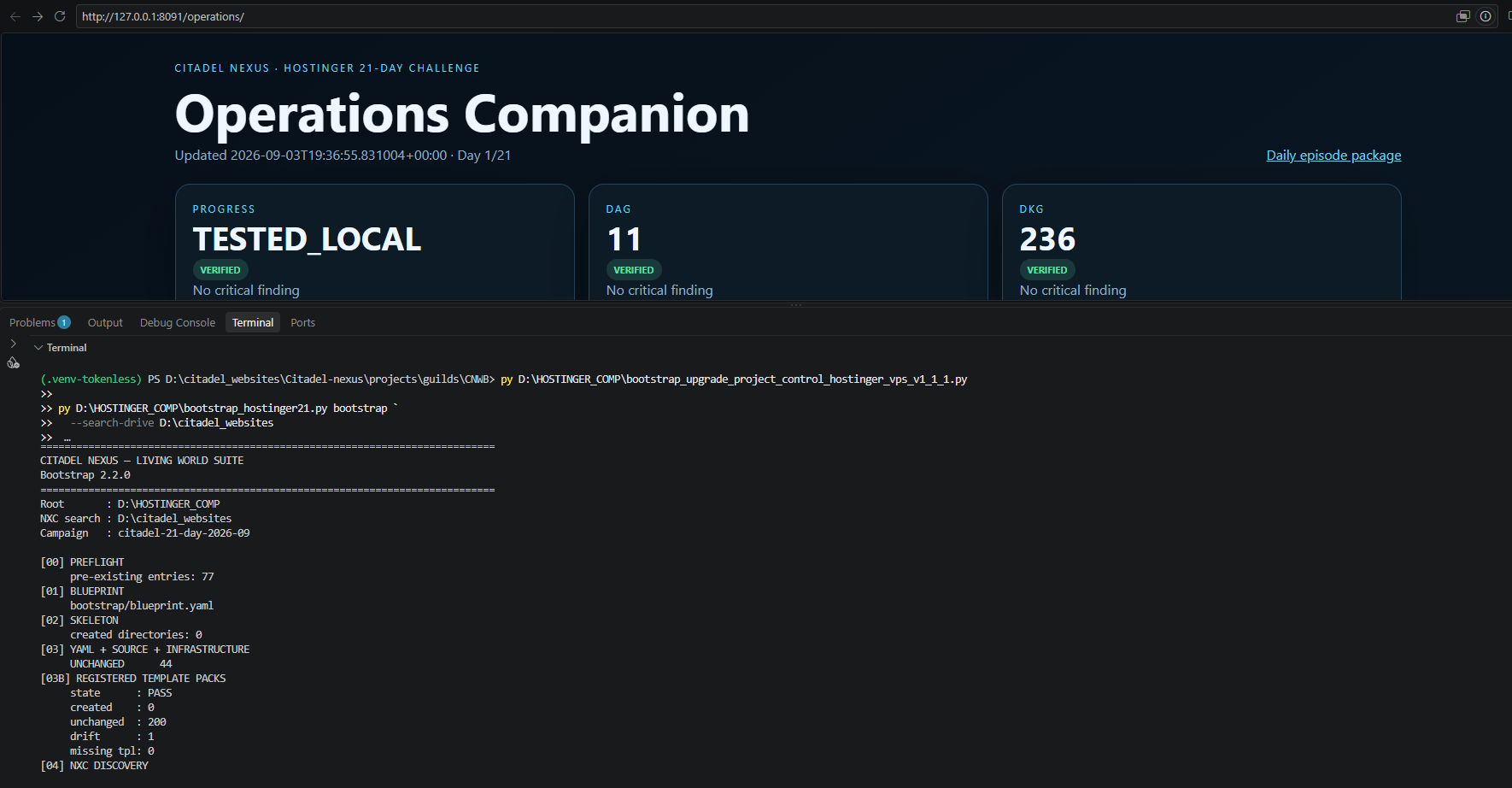
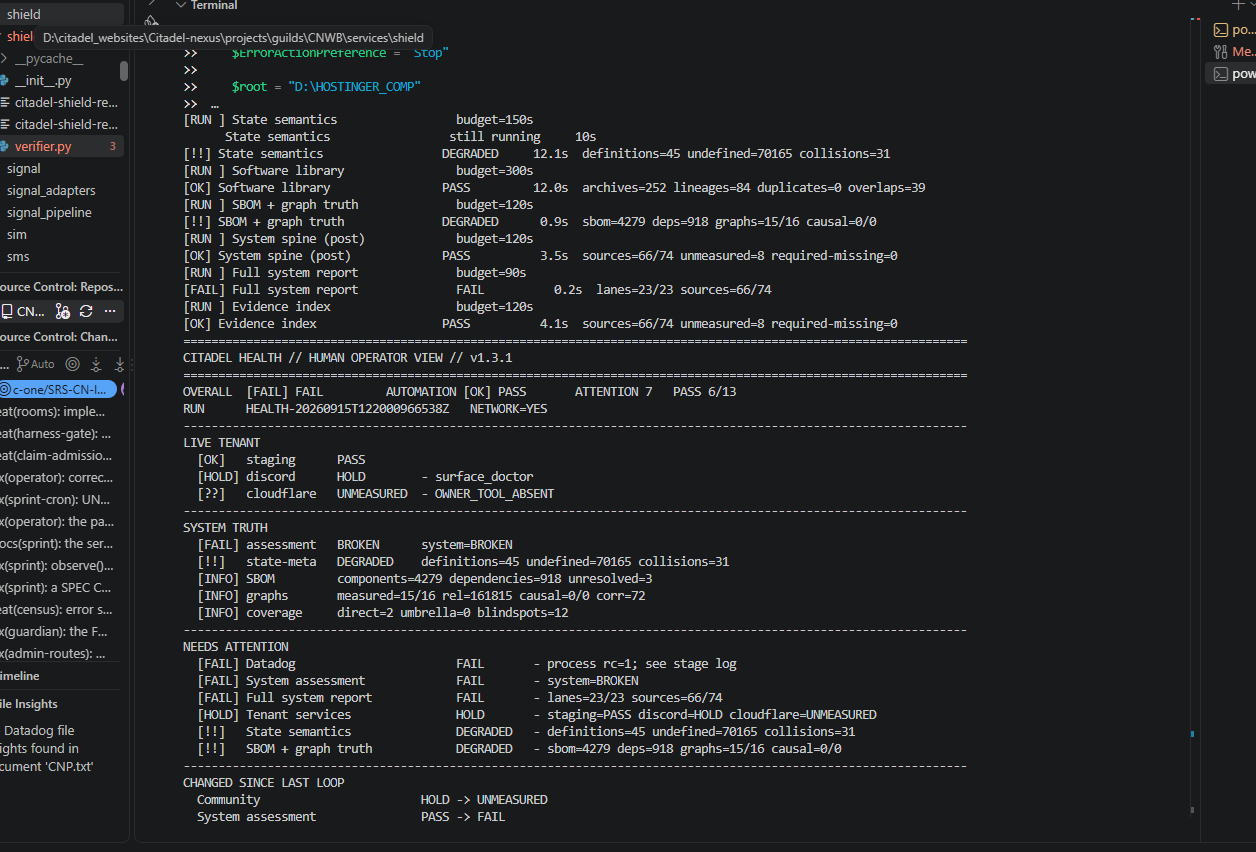
added a way for the system automation to fact check its own systems
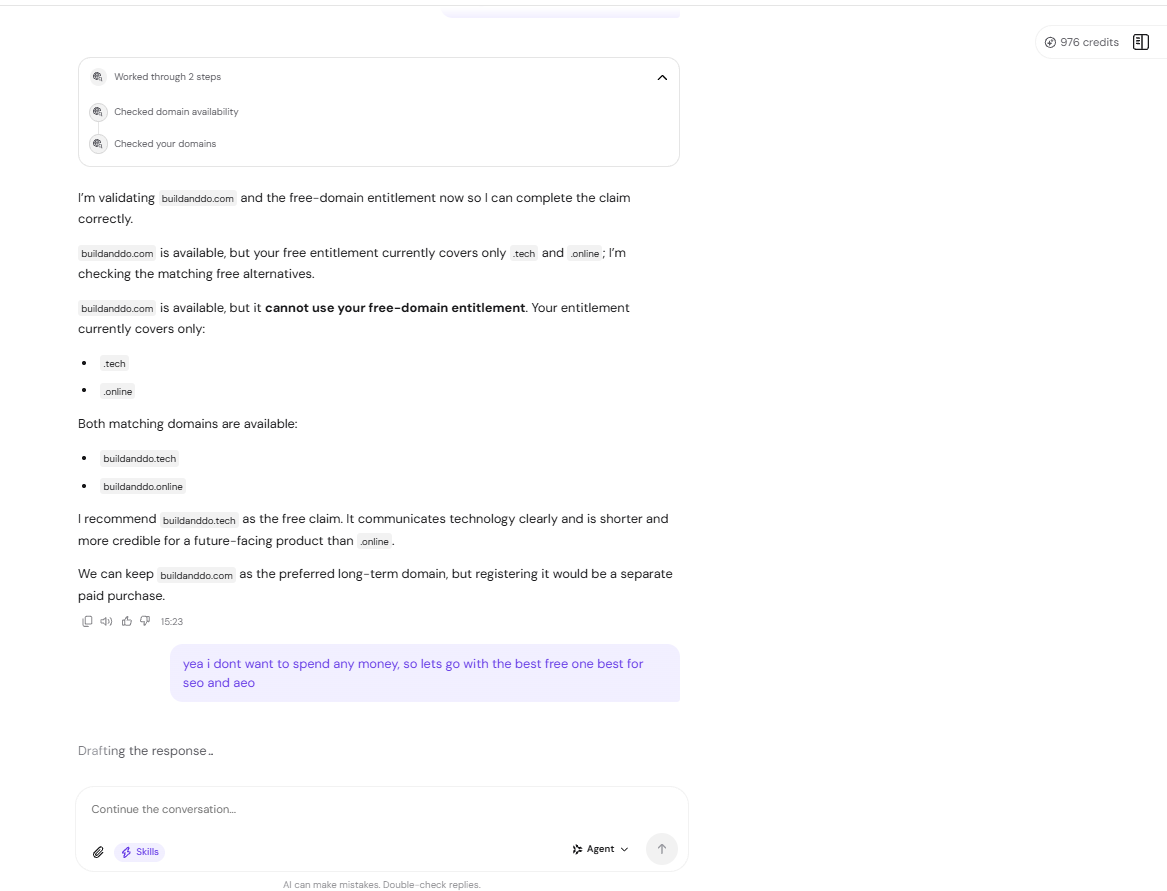
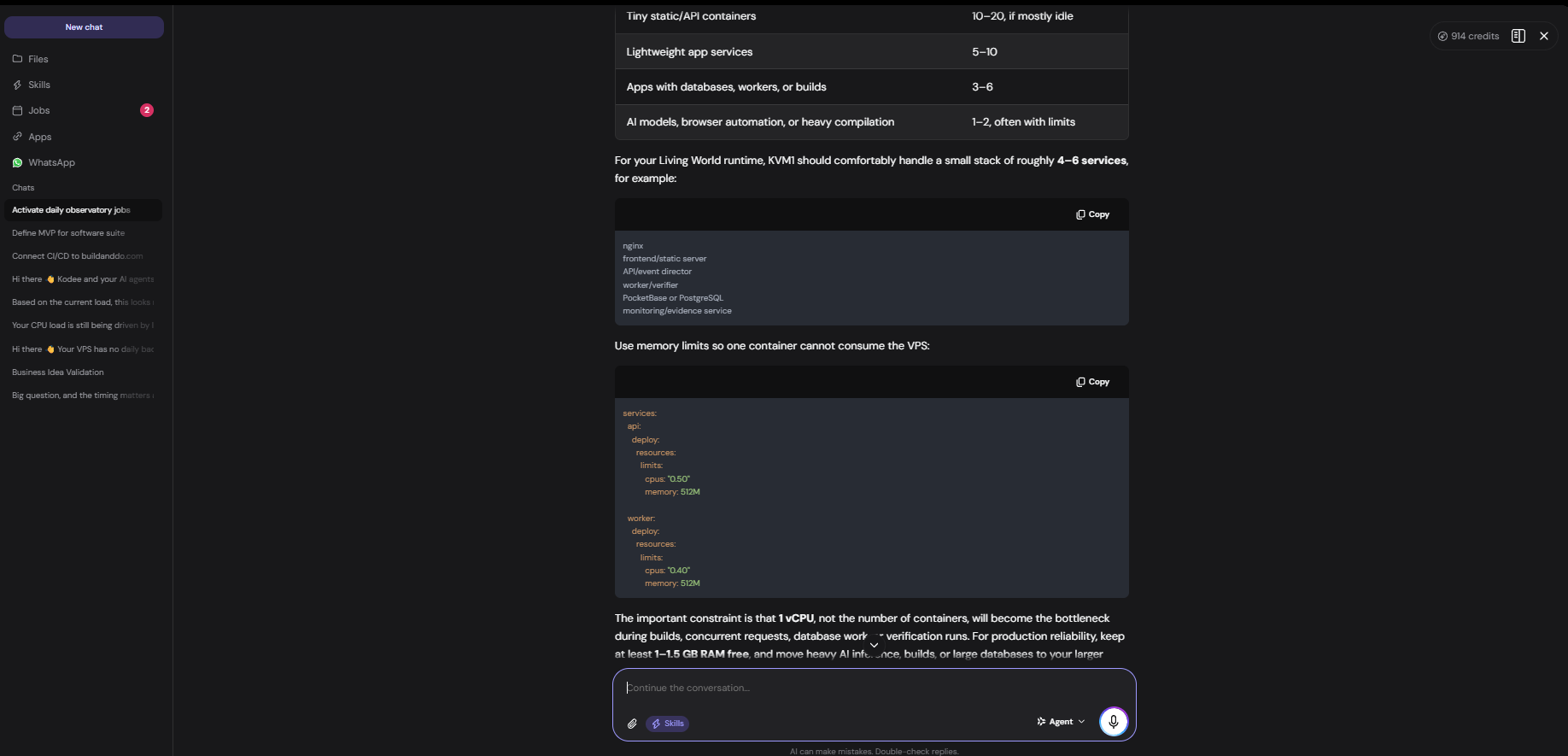
the idealogy is that - since its a competition, and they stated clever use of resources, we didnt want to put the entire resource pool into this - so we limited it to free resources, cloudflare free - discord, reddit, wiki, forums, the kmv1 and the agent collective, disclaimer several of the services are provided by a kmv8 - cant run alot on the kmv1 it doesnt have the specs. were stuck on the same automation of the platform.
started getting traffic
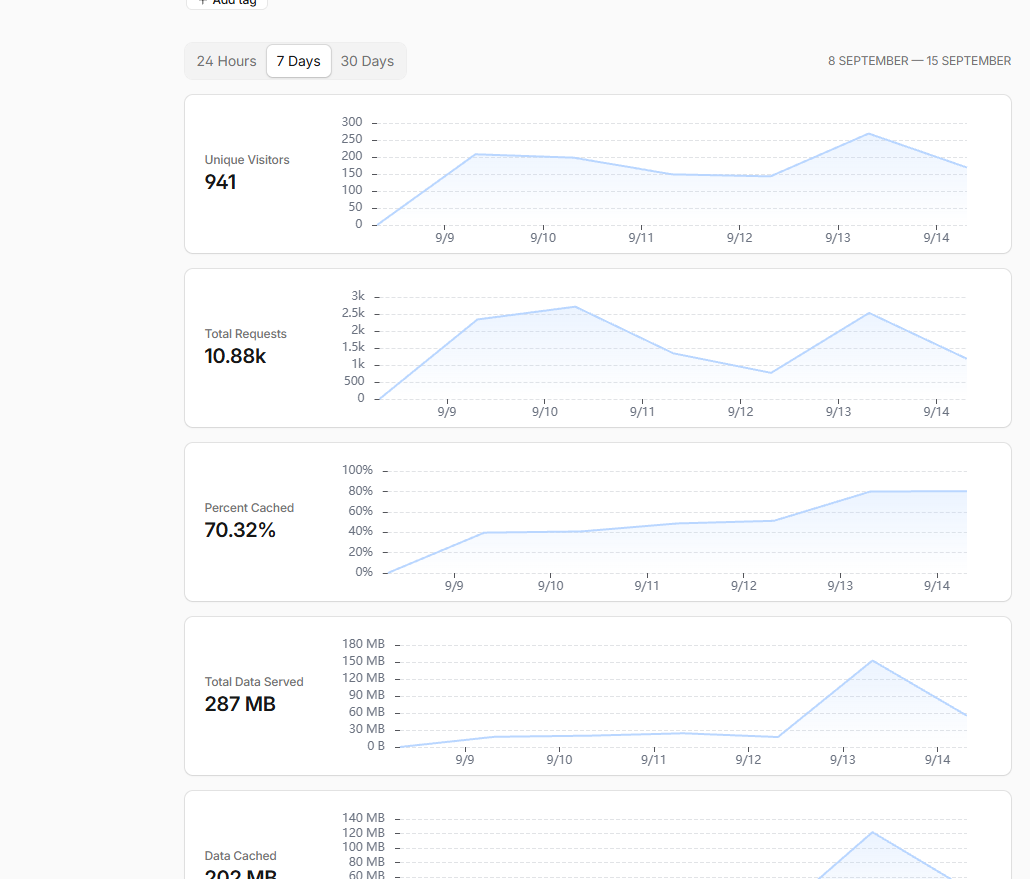
figured now we have to pivot a little to set up bot protections and security layers
starting establishing the mission system and tutorials
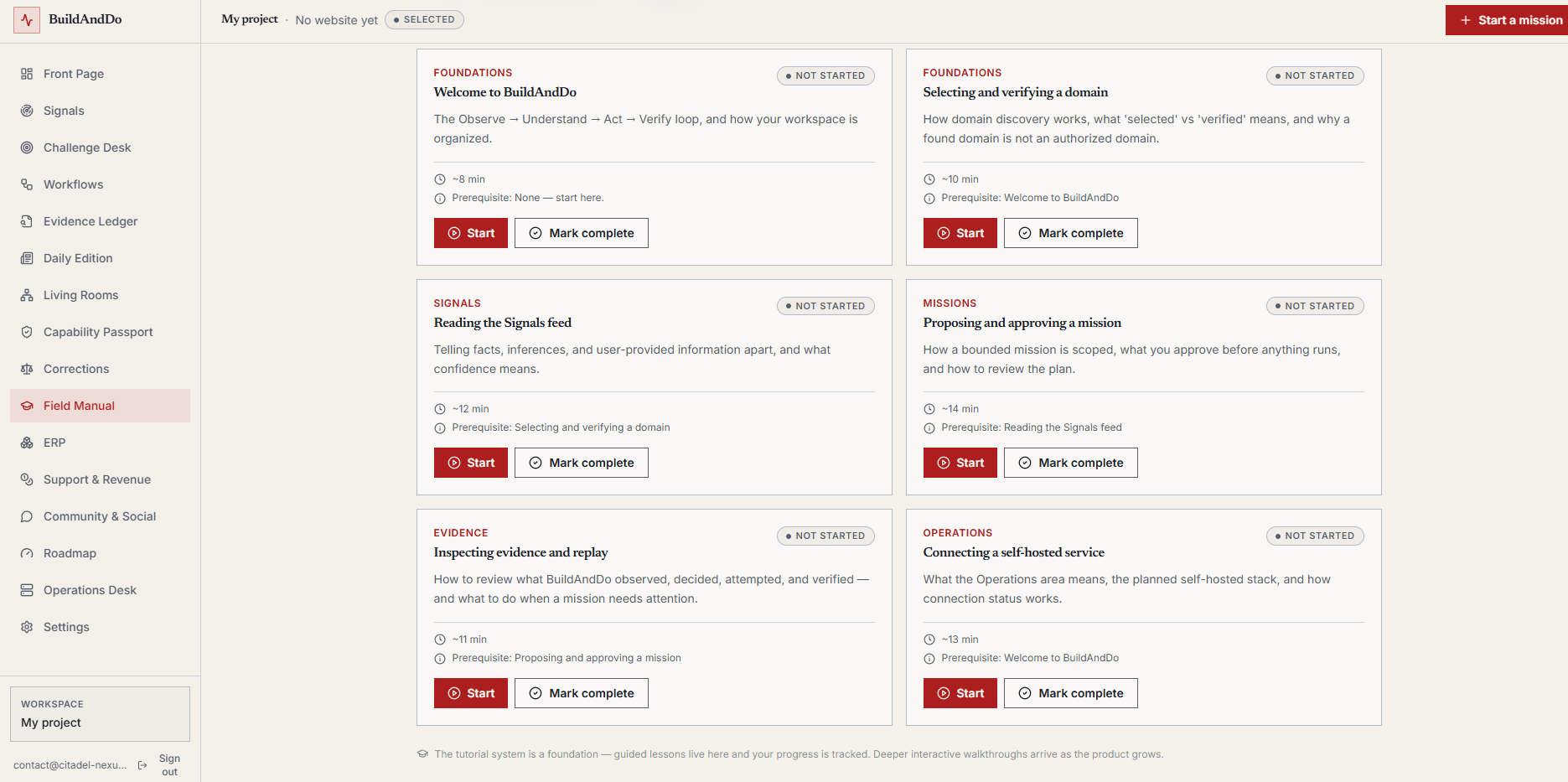
had a series of errors with some of the pipes
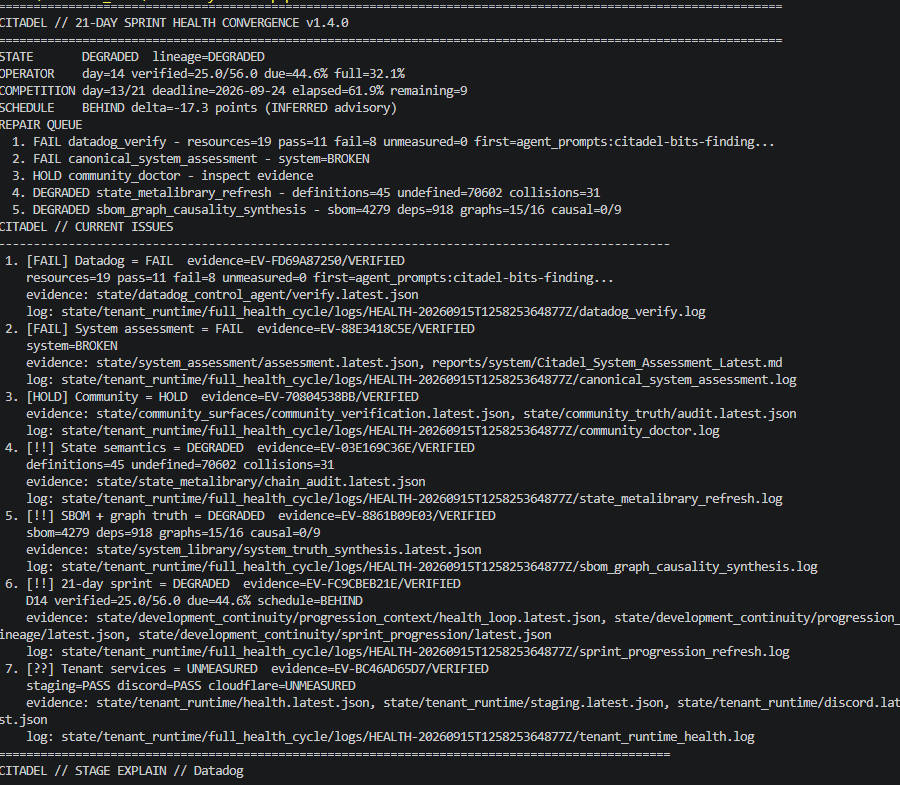
decided that we needed to add a youtube, and make the system easier to use - also added better project management
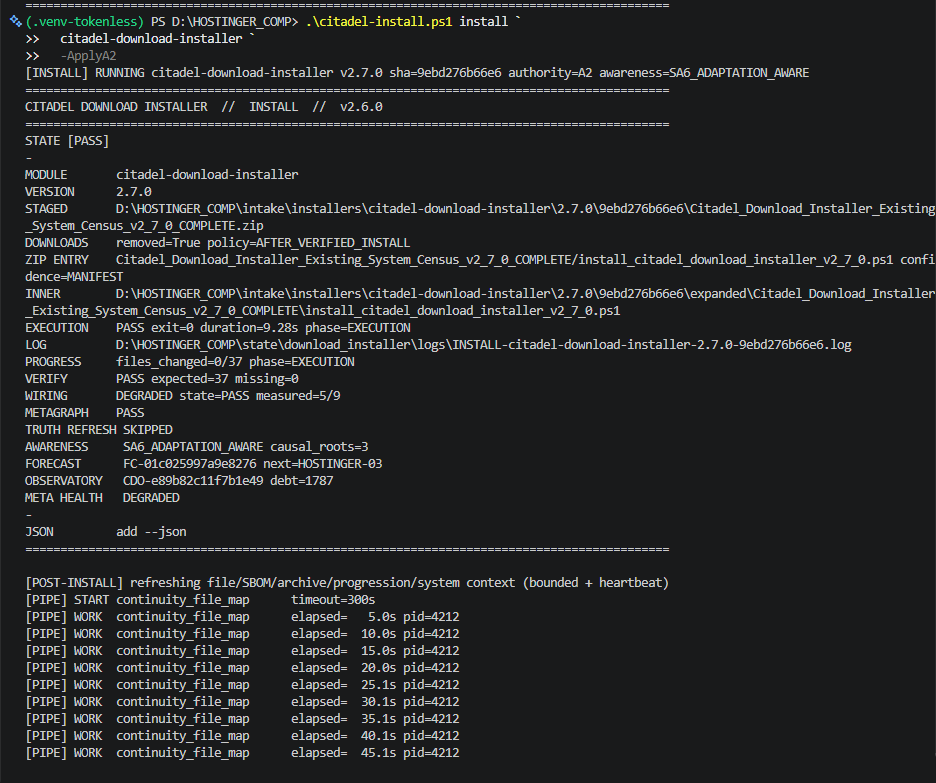
we added forcasting, because we plan to automate the systems development from the 18th onward, we havent progressed because once the automation is safe the platform internally will receive a massive boost to production and development
adding better systems and state tracking, so that the ai model we train using the data can run on the kmv1
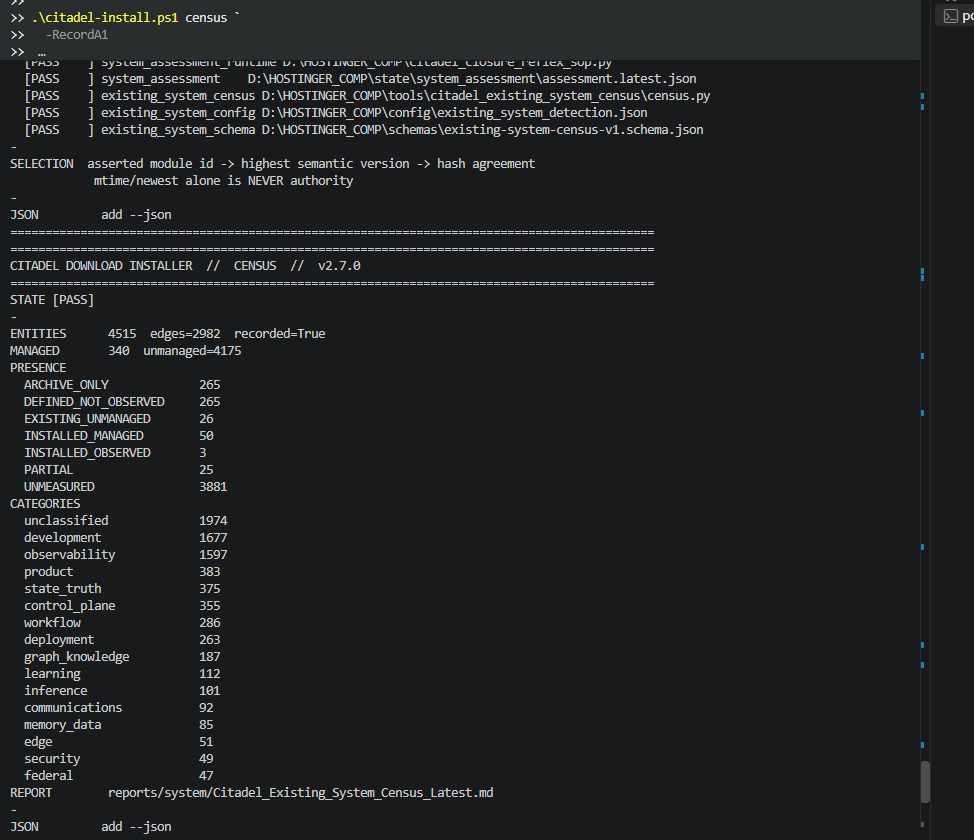
added elevenlabs agent for fun - will gamify and have vocal tutorials later
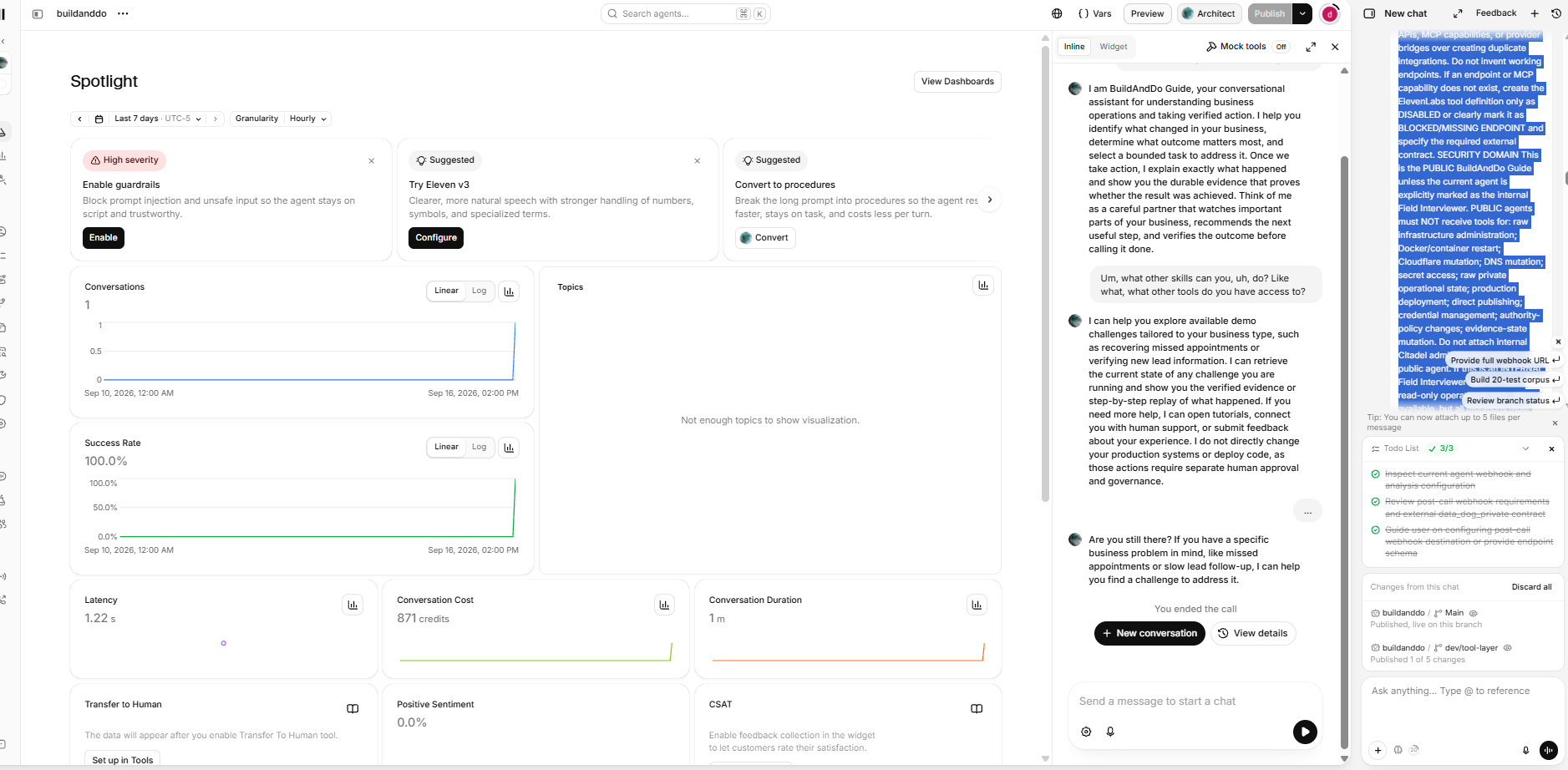
finally started to add the proper dashboards
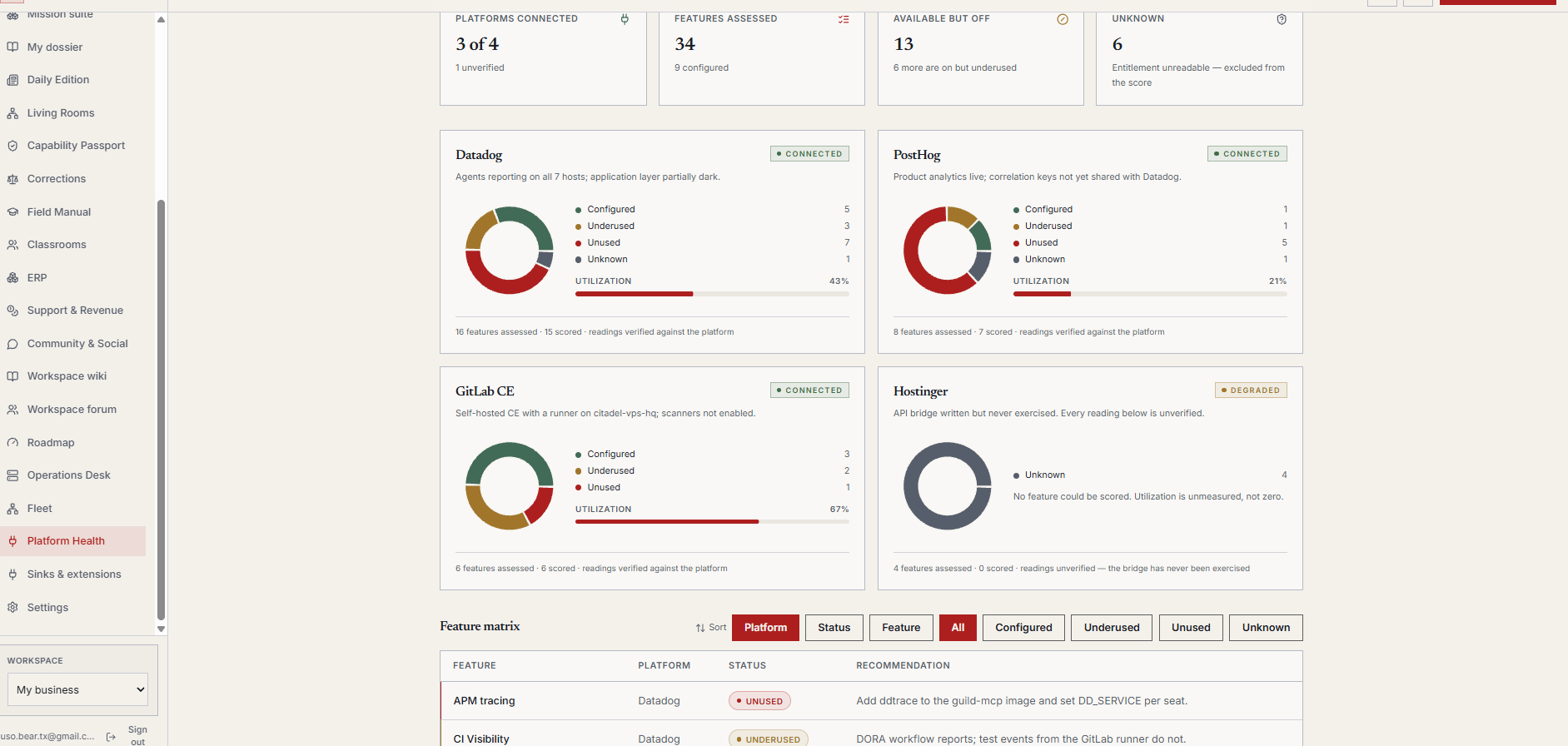
hostinger is generally difficult to wire into things, but were going to find a way
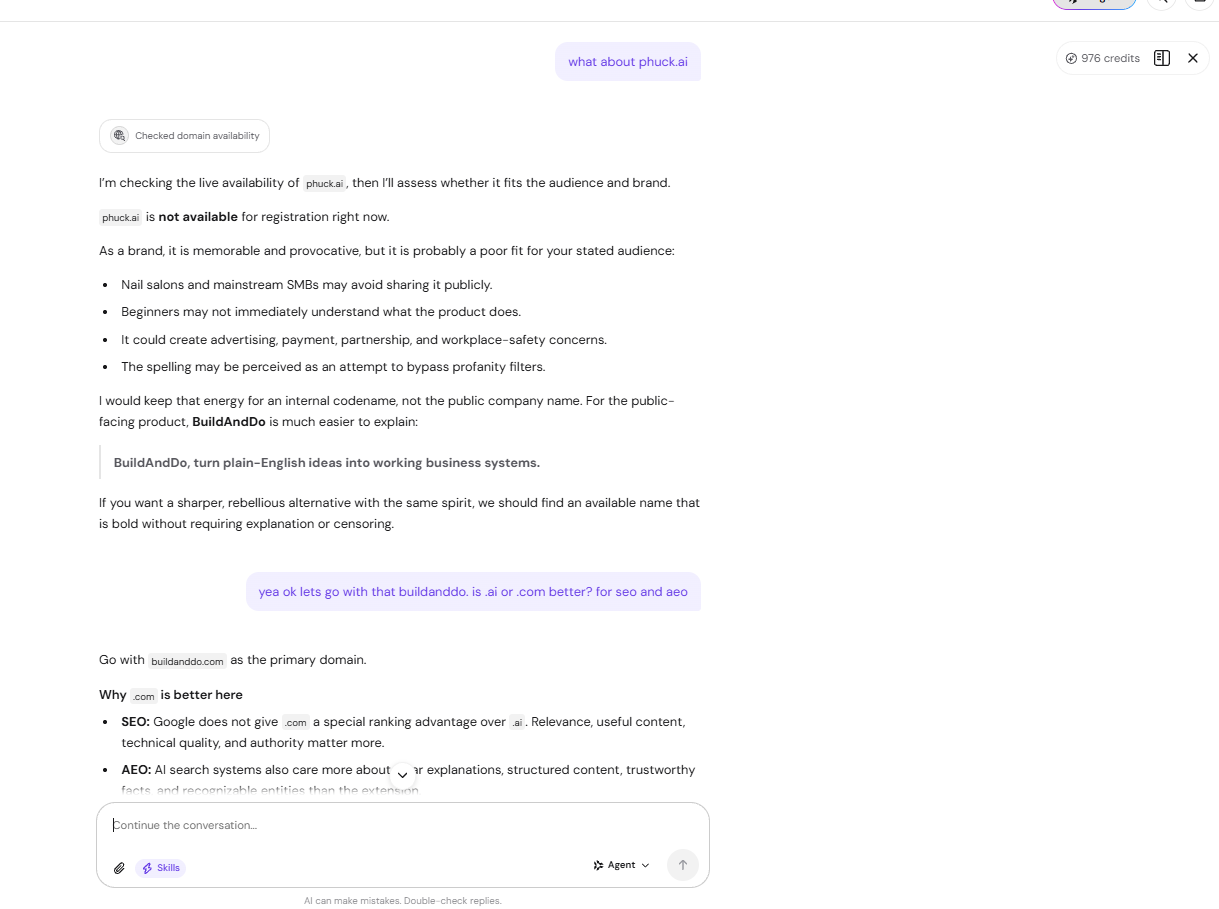
changes the branding a little
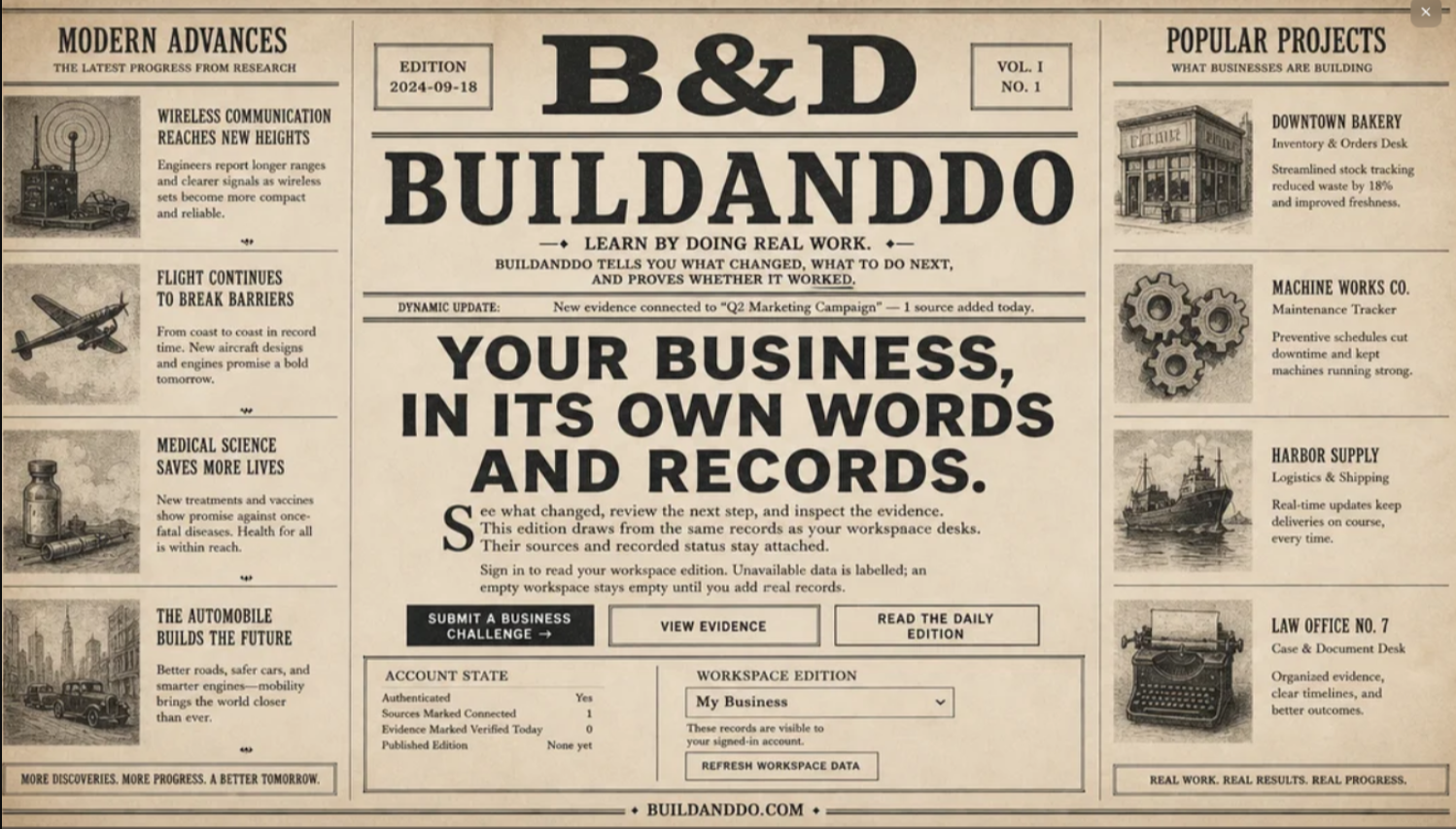
with the submission 4 days away, we wanted to turn on the automation with determinstic agents
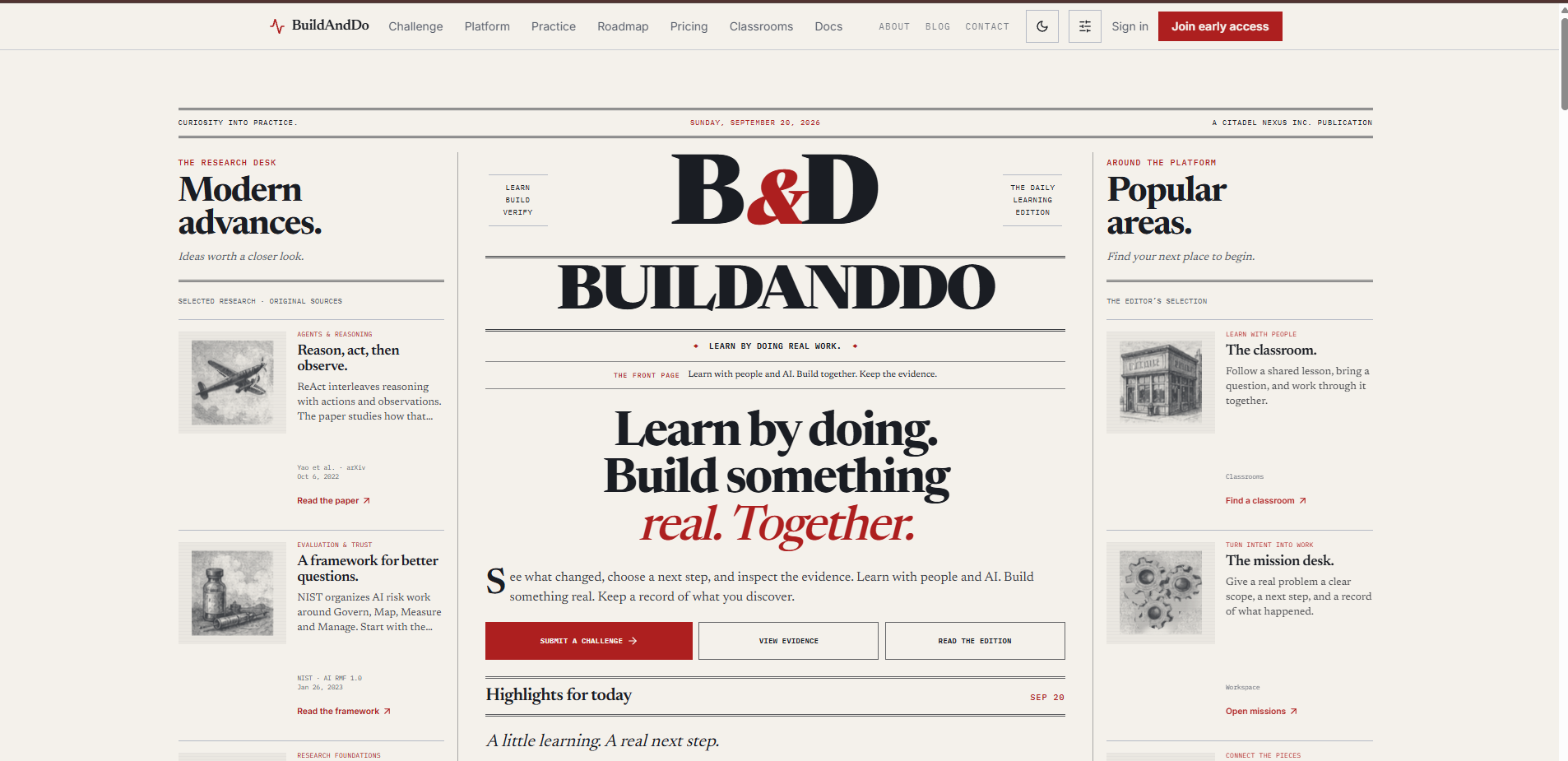
got the lesson system working which we dog food with the agents
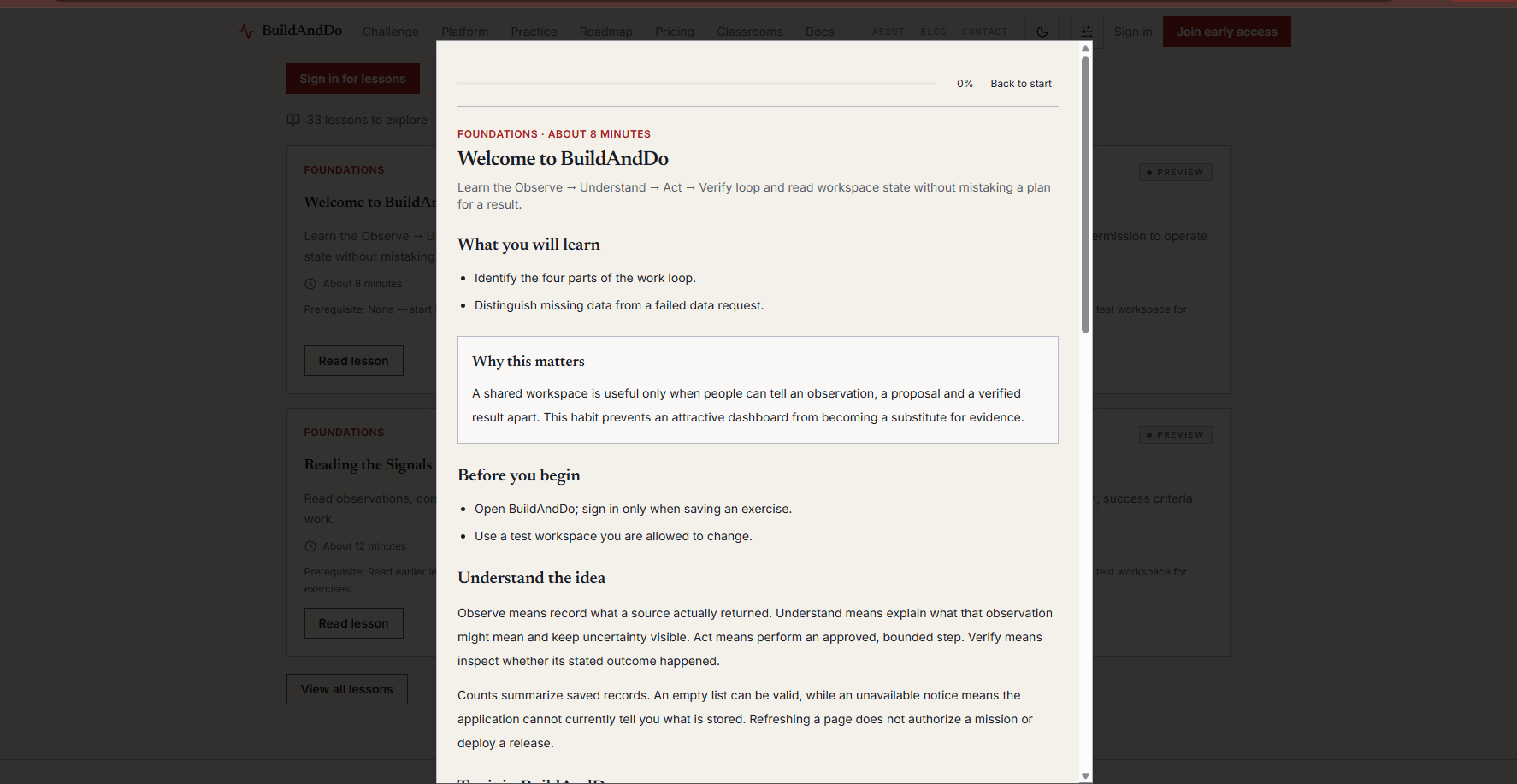
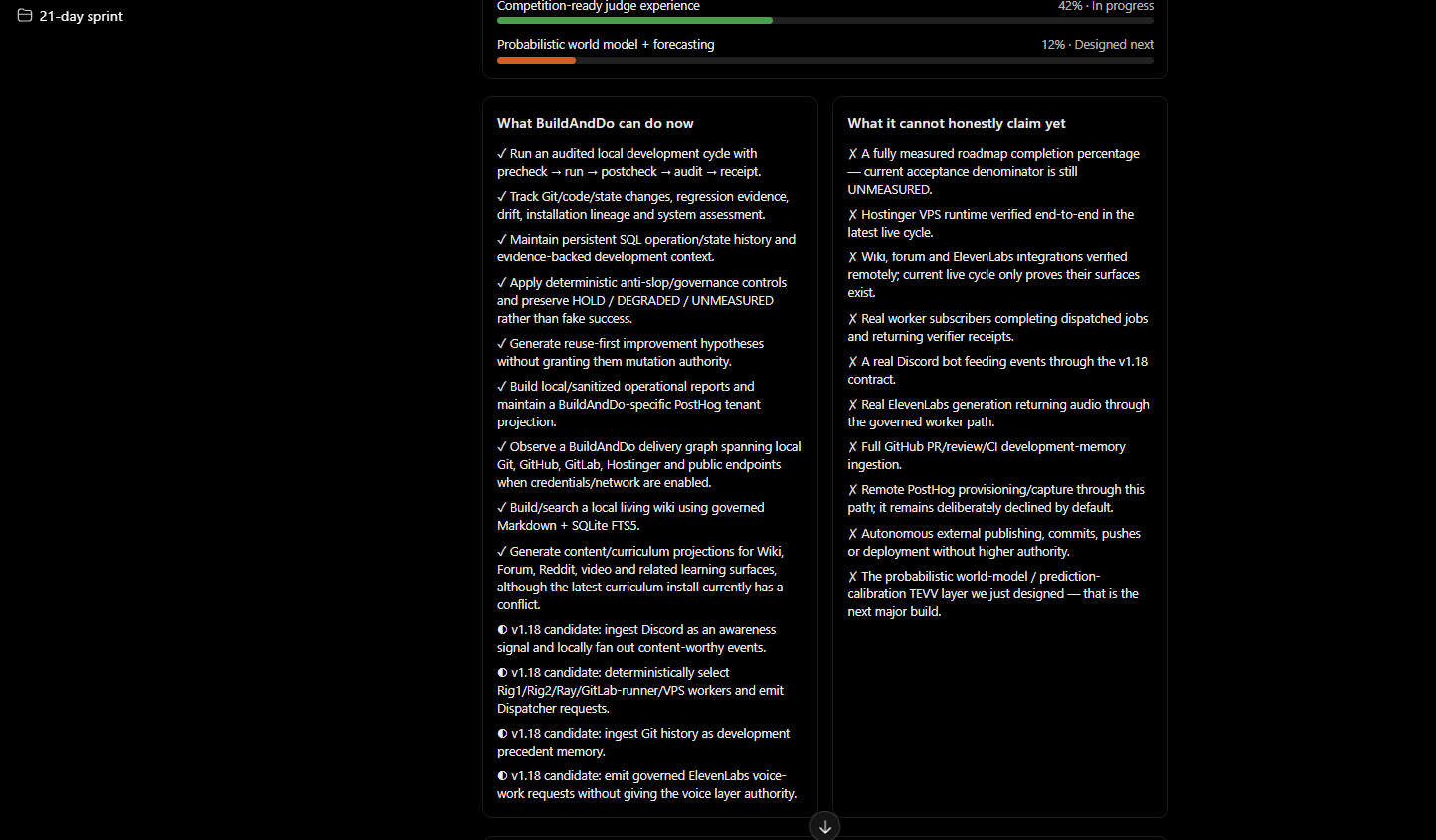
we estimate near 40k engineering hours have been saved by the use of ai in this small platform build out - quite limited with a kmv1 however we feel in 48 hours we can raise the completed active systems to near 80%
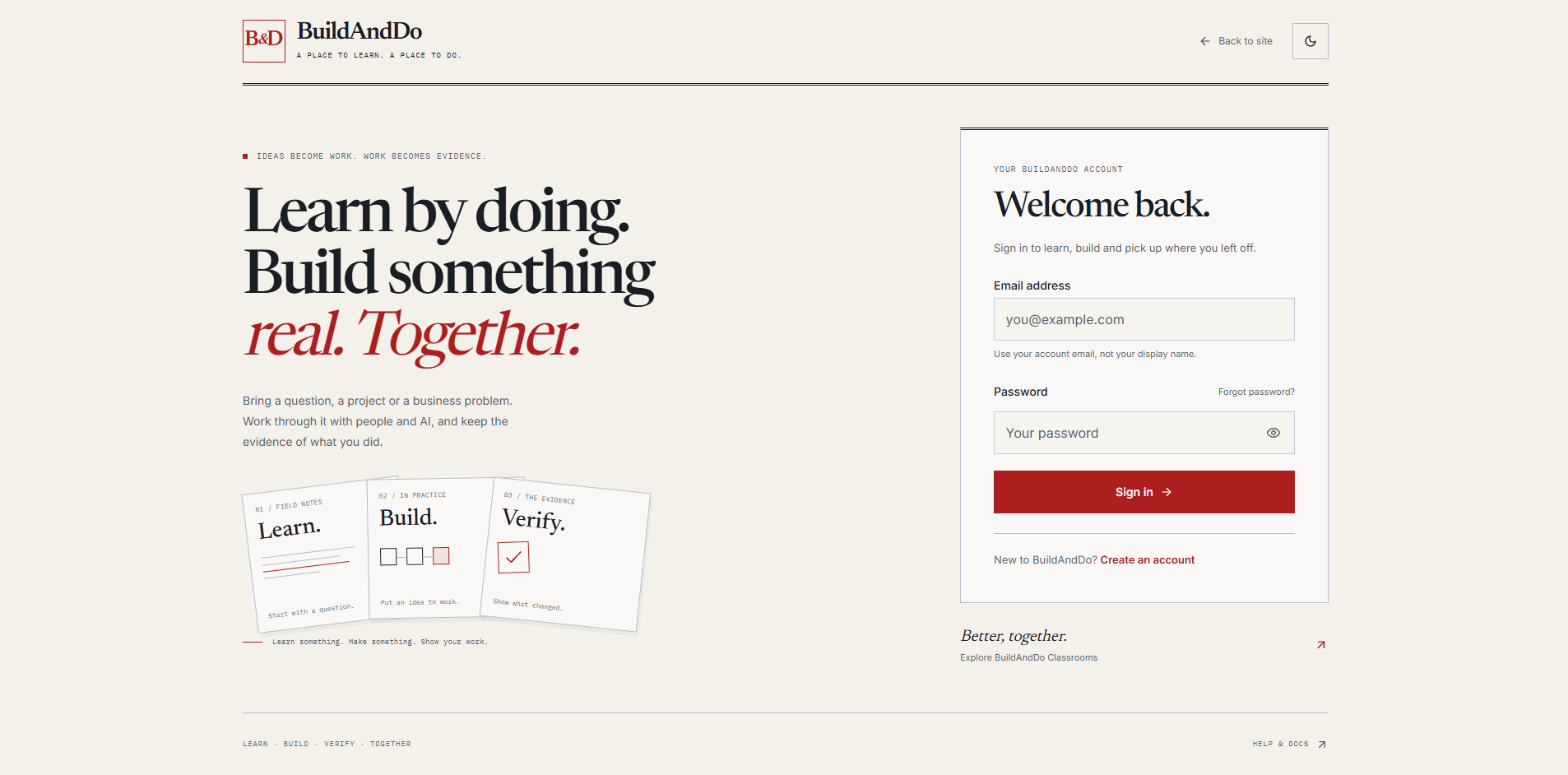
I appreciate that. I wanted to finish what i could b4 submission i think i have the agent automated classroom and audit system done
I hope the next competition encourage collaboration more 🙂
Anytime was fun ty again
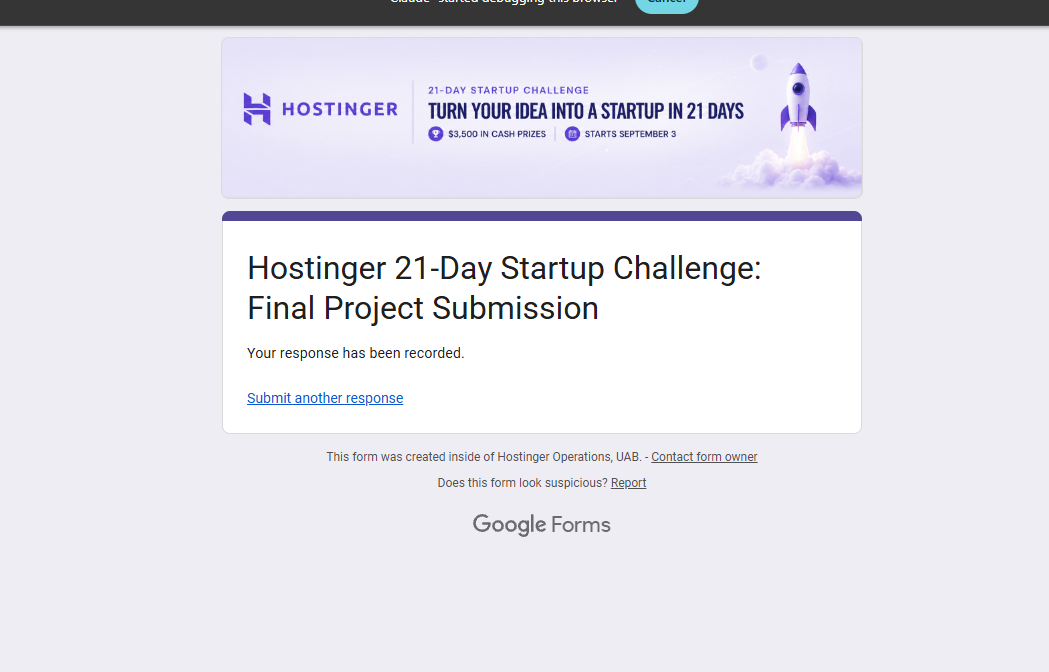
last photo before submission - we honestly were not able to get all 21 features operations end to end, we were able to validate 90% of the entire platform https://buildanddo.com/ https://staging.buildanddo.com/ we seperated the development windows so that in the future if other users want to use bnd as a educational testbed the multi tenent and multi agent parts are ready to go - we got the entire agent framework online they dont cost tokens
now we wait , dissapointed we didnt finish everything but fun nevertheless
added a buddi