How to Provide Best Support on Discord: Public Help, AI Answers, Smart Tickets, and Feedback Tracking
Summary
Stop relying on staff-only answers. Build a scalable Discord support system with public channels, AI for docs, smart tickets for private issues, and feedback tracking.
Discord support doesn’t scale just by replying faster. The durable approach is to design a system where members can find answers publicly, help each other, and where your team can turn messy community input into clear product decisions.
Below is a public-first framework for providing the best support on Discord using community-led help, AI, smarter ticketing, forums, and feedback tracking.
Why Discord Works for Scalable Community Support
Discord is built for conversation—and support needs conversation. But the key problem is scale: members need help, yet staff can’t personally answer every question as your community grows.
Discord can fill that gap when you use it as a structured support space rather than a place where only staff respond. The system works best when:
- Knowledge is kept findable in public spaces.
- Support becomes social and repeatable (members see answers, learn, and come back).
- Your team uses tools to reduce the number of unsupported, one-off questions.
The video’s core warning is that ticket tooling and staff responses are often the “lowest-hanging” option—yet relying on them exclusively can prevent community knowledge from accumulating publicly.
Turn Support Into Social Engagement (So Members Help Each Other)
A good Discord support experience should do more than solve a single problem. It should help members feel connected to the community.
The speaker’s advice is straightforward: avoid a system where users constantly funnel questions into private tickets or staff-only responses. When members answer each other in public, you:
- Keep learning available for new and returning members.
- Encourage ongoing participation.
- Reduce repeat questions because the community can reuse the same answers.
They also suggest being careful with ticket systems. A ticket-first approach can “open up the ticket system rather than asking question in public,” which lowers the amount of support happening in the channels where others can benefit.
Keep Key Knowledge Public (So New Members Can Actually Find It)
One reason Discord support fails is hidden information. If the knowledgeable parts live only in private channels, search and discovery break down:
- New members can’t find answers by browsing.
- Common issues get asked repeatedly.
- Support load stays high.
Instead, keep essential guidance, policies, and documentation-driven answers public. Use clear rules and eligibility so you reduce confusion (for example, where access requests or moderation questions should be directed).
Use Public Help + AI for Faster, Documentation-Based Resolutions
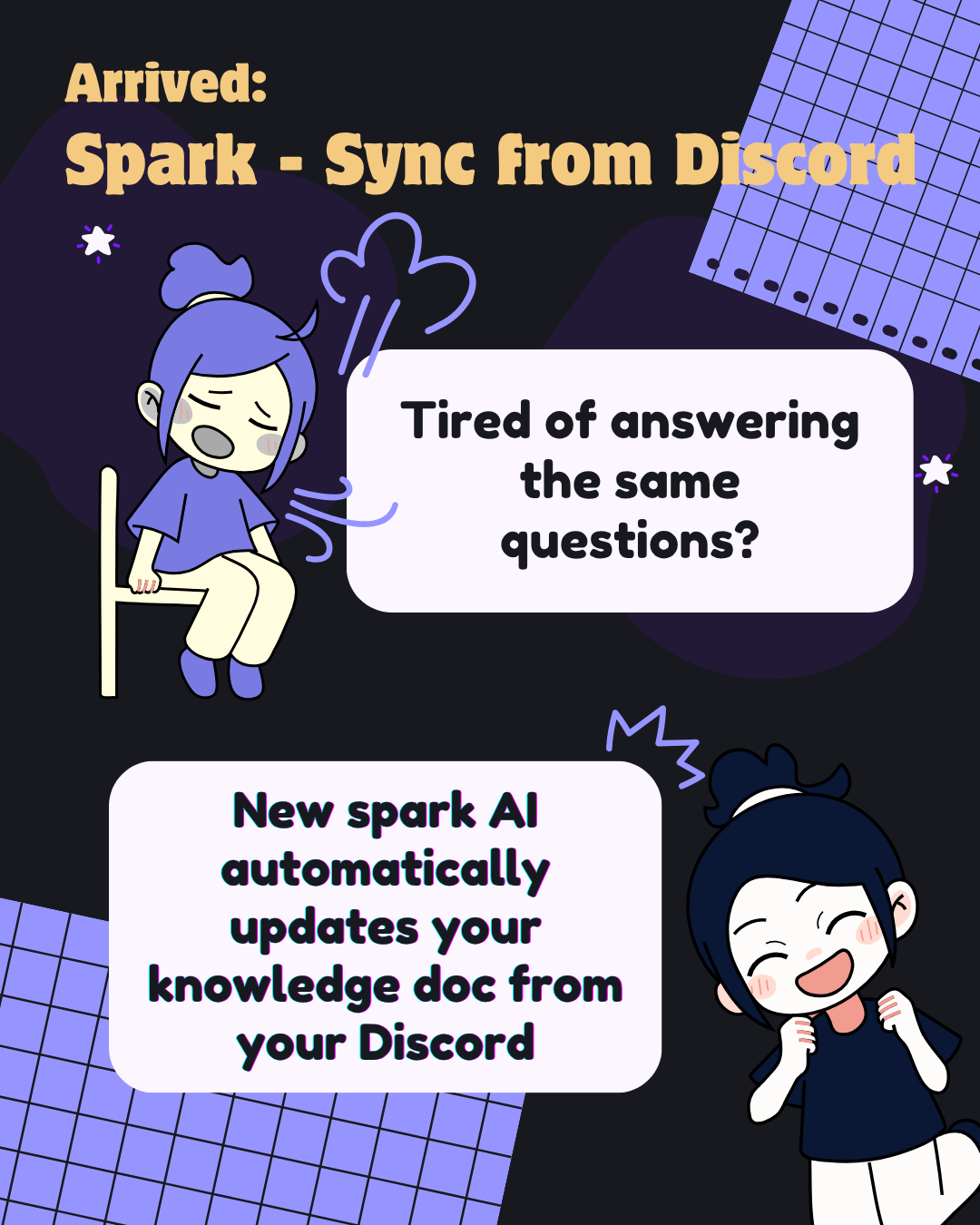
To reduce friction, the speaker recommends AI for public support—specifically, using AI that can read or rely on your documentation.
How to use it effectively:
- Let the AI handle questions when it can answer from your knowledge.
- When it can’t, have the human team “jump in” to resolve the issue.
- Use the AI conversations as a learning source to understand what members are confused about.
This creates a practical loop:
1) Members ask questions in the community.
2) AI answers based on documentation.
3) Humans fill gaps the bot can’t cover yet.
4) The team updates documentation so AI answers improve over time.
Choose and Configure a Discord Ticket System Carefully
Tickets can be useful, but only for the right kind of issue. The guidance from the video is:
- Use tickets for truly private information.
- For public, non-sensitive questions, prefer public help.
When you do use Discord tickets, the speaker emphasizes tool selection and configuration details:
- Set up a simple flow (open ticket → answer → close).
- Prefer systems that support team review via login/transcripts.
- Test reliability and scaling limits (some tools restrict the number of private threads and categories over time).
The video mentions Ticket King as a recommended option and notes it being reliable for many communities. A paid alternative is also referenced, but the important takeaway is to choose something that supports scaling and an easy workflow.
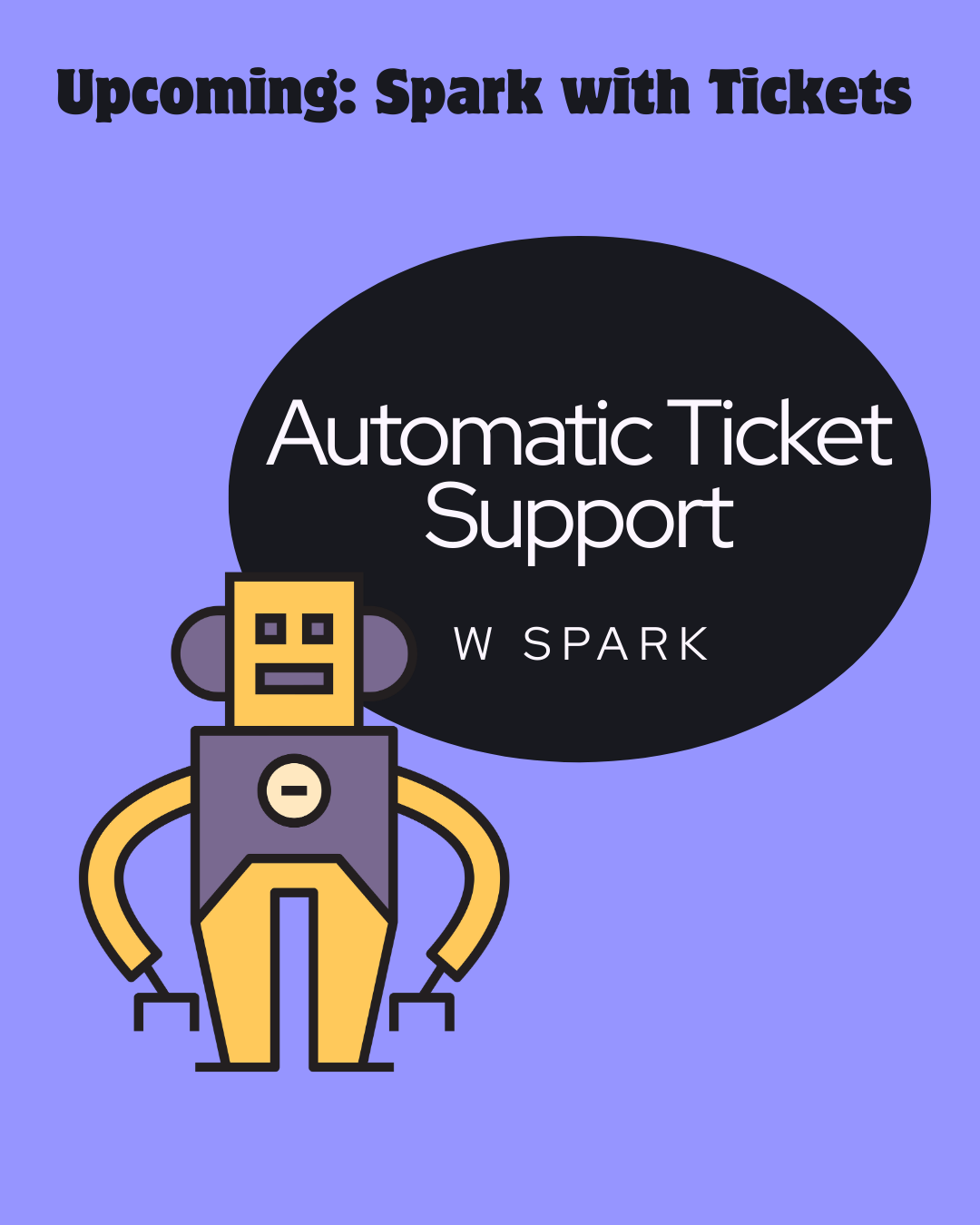
Add Ticket Controls: Routing, Auto-Reminders, and Smart Closing
A ticket system should do more than create private threads. It should reduce spam, prevent forgotten tickets, and keep the workflow moving.
The speaker highlights several controls:
- Category-based ticket routing: reject submissions that go into the wrong category and close those tickets.
- Auto-reminders: automatically remind users to follow up when tickets remain unanswered.
- Auto-closing: close tickets automatically after a set time if users don’t respond.
- Logging that supports better tracking: some paid systems include more detailed logging than basic ticket tooling.
These controls reduce dead-end support loops and keep staff effort focused on real resolution.
Consider Discord Forums and Tags for Higher-Quality Feedback
If your goal is better feedback quality and lower spam, the speaker argues for using Discord’s forum-style approach rather than open channels.
Why forums help:
- Posting requires more effort than dropping a quick message, which reduces spam.
- Higher-effort posts tend to create higher-quality discussions.
They describe forum management using tags to organize the work:
- Tags for products and issue types.
- Tags dedicated to analytics, AI chatbot/spark-related needs, and bugs.
- A “resolve” workflow tag to track status.
A practical workflow is also included:
- Review forum threads weekly.
- Identify bugs and suggestions that should be implemented.
- Track feedback and fixes consistently.
Review, Resolve, and Track Feedback (Not Just Opinions)
Feedback in Discord can be messy, but you can still turn it into an actionable system when you add structure:
- Use resolution markers (like a resolve tag or a clear workflow).
- Establish a regular review rhythm (the speaker mentions weekly review).
- Ensure your team tracks which feedback led to which fixes.
The speaker also references a feedback labeling approach where users indicate clarity or preference (for example, yes/no/maybe) and include explanations and follow-ups. The point is to capture context, not just raw agreement.
Reward Contributors to Increase Participation (and Improve Signal)
If you want better support and better feedback, make contributing feel safe and worth it.
The speaker recommends rewarding users generously when they give feedback—especially on their first contribution. They observe that rewarding feedback leads the same users to return and contribute again.
They also connect this to prioritization:
- Focus on likely high-feedback contributors.
- Apply an 80/20 approach: a small portion of users often drives most of the feedback.
This is less about “collecting lots of opinions” and more about cultivating the right contributors over time.
Learn From Feedback Context, Not Just Yes/No Decisions
A key best-practice is how you interpret the feedback once you’ve collected it.
Instead of treating feedback as a simple accept-or-reject request, the speaker advises learning more about the user behind the request. Helpful context includes:
- Whether the server is commercial or hobbyist.
- How the server is currently run and what team effort it requires.
The goal is to find the commonality behind the request—so your “killer features” fit the real problems of a core group, not just surface-level demographics.
Sync Discord Feedback to Slack and Track It Over Time
Discord feedback is valuable only if you can preserve it beyond the current moderators or team members.
The speaker suggests syncing Discord feedback to Slack using a bot + dashboard workflow:
- Review the issue in the Discord space.
- Use a dashboard to capture relevant proof (for example, screenshots).
- Post the screenshot or summary to Slack.
They also stress that tracking matters when your organization changes frequently. A history of feedback helps validate what matters when the same knowledge needs to be carried forward over years.
Synthesize Messy Discord Input Into Clear Team Intent
Discord conversations are inherently mixed: important user intent is often scattered across many messages.
To get buy-in, the speaker recommends that a person close to the Discord community review all feedback and create a synthesized summary aligned to your consumer market.
Avoid persuasion based only on raw counts. Instead, share:
- Specific examples that show why users want a feature.
- Stories with purpose (“what they wanted it for”).
- The emotional or practical intent behind the request.
This helps your team understand what users are trying to do, not just what they asked for.
Conclusion
Best support on Discord is a system design problem, not a speed problem. Use a public-first approach so answers compound over time, apply AI to deliver documentation-based responses, restrict tickets to truly private information, and add controls to keep ticket workflows clean.
For product-grade feedback, use forums with tags and a resolve workflow, reward contributors, and synthesize what users mean into clear intent your team can act on—then sync and track it over time (for example, in Slack) so it survives beyond individual moderators.